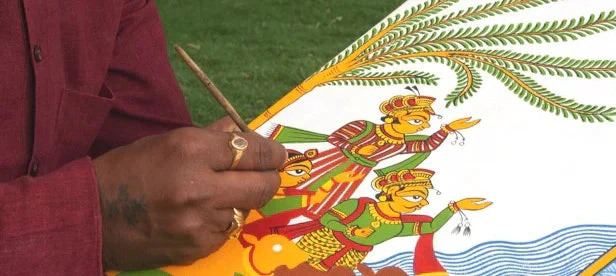
When the first drops of rain kiss Rajasthan’s parched earth, the desert bursts into song, a rhythm of devotion, color, and joy known as Teej. It’s that time of year when temple bells echo through pink-walled cities, swings sway under the fresh monsoon breeze, and women in green sarees sing of love and longing.The Teej …

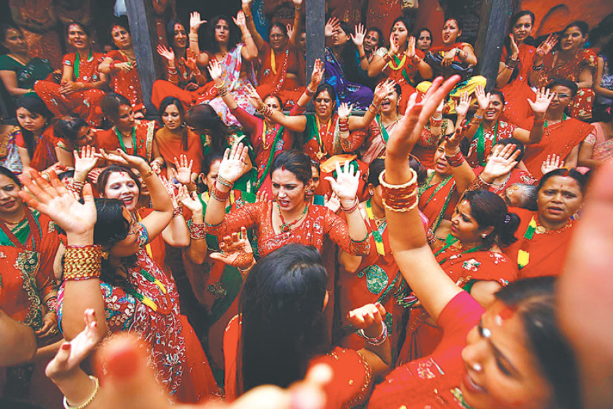
When the first drops of rain kiss Rajasthan’s parched earth, the desert bursts into song, a rhythm of devotion, color, and joy known as Teej. It’s that time of year when temple bells echo through pink-walled cities, swings sway under the fresh monsoon breeze, and women in green sarees sing of love and longing.
The Teej festival isn’t just a ritual, it’s Rajasthan’s way of welcoming life back into the land, of celebrating the union of Shiva and Parvati, and of honoring the power of feminine devotion that sustains both family and faith.
“When the monsoon comes, Rajasthan doesn’t just bloom, it dances.”
The Spirit of Teej: Love, Renewal & the Rhythm of Rain
Teej marks the arrival of the monsoon, a season of renewal after months of blazing heat. Across Rajasthan, it transforms the golden desert into a canvas of green, and hearts into vessels of celebration.
The festival honors the divine love between Lord Shiva and Goddess Parvati, symbolizing faith, perseverance, and harmony in marriage. On this day, women fast and pray for their husband’s long life and for marital bliss, while unmarried girls seek blessings for an ideal partner.
But beyond ritual, Teej is a cultural celebration of womanhood of strength, beauty, and joy. Through music, fasting, swings, and festivities, women connect not just with the divine, but also with each other, sharing laughter, songs, and stories under the monsoon sky.
The Many Faces of Teej: Haryali, Kajari & Hartalika
Rajasthan celebrates three forms of Teej, each with its own rhythm and story.
- Haryali Teej, the most prominent in Jaipur and Bundi, is observed on the third day of the Shukla Paksha in the month of Shravan (July–August). The word Haryali means “green,” reflecting the lush rebirth of nature during monsoon.
- Kajari Teej, or Badi Teej, is celebrated in the Mewar and Marwar regions around the same time, between Raksha Bandhan and Janmashtami. It honors the beauty of the dark monsoon clouds (Kajali) and the joy of abundance.
- Hartalika Teej focuses on Goddess Parvati’s penance to win Shiva’s love, embodying devotion and endurance. Together, these Teej festivals weave a story that blends love, nature, and renewal across Rajasthan.
“Every Teej song is a prayer, not just for love, but for life itself.”
The Religious Significance: The Eternal Union of Shiva and Parvati
The legend behind Teej is as timeless as the mountains of Kailash. It is said that Goddess Parvati undertook intense penance and fasted for 108 years to be reunited with Lord Shiva.
Moved by her devotion, he accepted her as his consort, marking Teej as a celebration of perseverance, divine love, and faith rewarded.
The word “Teej” itself means a tiny insect that appears during the rains, symbolizing rebirth and rejuvenation. In Rajasthan, the festival becomes a poetic tribute to both divine love and the renewing spirit of the monsoon, to the blossoms that rise from dust, and to the heart that finds devotion in longing.
Rituals and Festivities: Three Days of Faith and Celebration
The Teej festival unfolds over three vibrant days, each carrying a blend of devotion and delight.
Day 1: Dar Khane Di, The Feast of Love
On the first day, known as Dar Khane Di, married women enjoy meals prepared lovingly by their husbands, a gesture that celebrates partnership and gratitude.
Homes fill with laughter, songs, and the scent of sweets like ghewar, malpua, and puri-halwa. It’s a day of warmth, laughter, and togetherness before the fasting begins.
Day 2: The Fasting & Worship
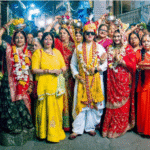
The second day is the spiritual heart of Teej. Women observe a strict fast, many abstaining from both food and water, in honor of Goddess Parvati’s devotion. They bathe in red mud, symbolizing purification, and adorn themselves in solah shringar (sixteen adornments) bangles, anklets, sindoor, mehndi, and colorful sarees, usually in green, red, or pink.
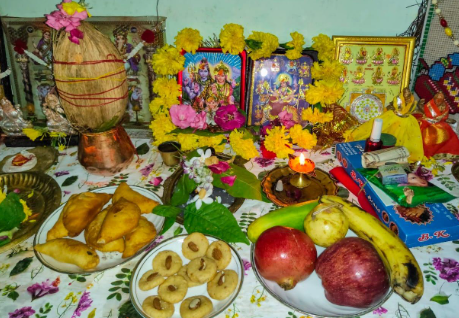
Temples dedicated to Lord Shiva and Parvati overflow with devotees. Those who can’t visit temples create altars at home, decorating idols or photos of the divine couple with flowers and red cloth. Offerings include bel patra, aak flowers, honey, shringar saman, fruits, and sweets, all symbols of prosperity and purity.
As twilight falls, women light ghee lamps and narrate the Teej Katha, a story of Parvati’s unbreakable faith and love. The atmosphere glows with a mix of reverence and sisterhood, as communities gather in shared devotion.
Day 3: Swings, Songs & the Celebration of Life
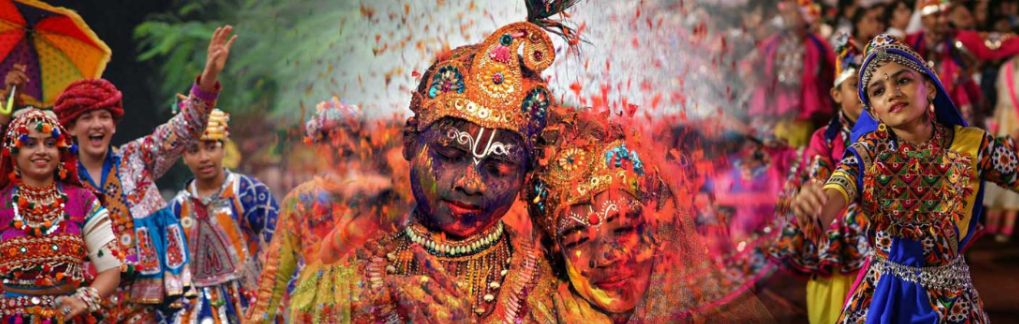
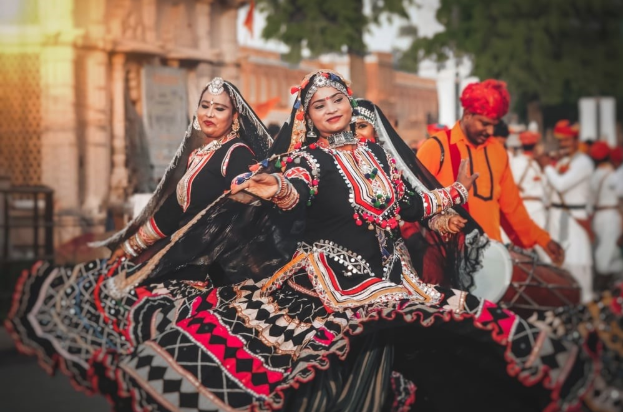
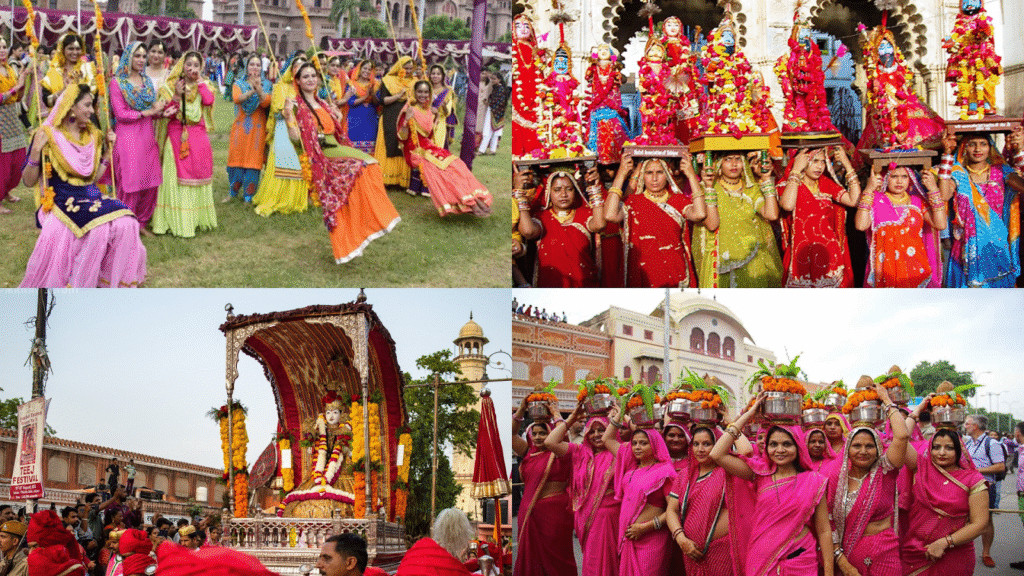
The final day bursts into color and sound. Decorated swings, wrapped in marigolds and ribbons are hung from trees and courtyards, symbolizing the playful arrival of monsoon. Women sing folk songs and perform the traditional Ghoomar dance, their vibrant lehengas twirling like blossoms in the breeze.
In every courtyard, laughter mingles with raindrops. The air is scented with henna, rain, and earth, the signature fragrance of Rajasthani monsoon joy.
The Jaipur Teej Procession: A Royal Spectacle
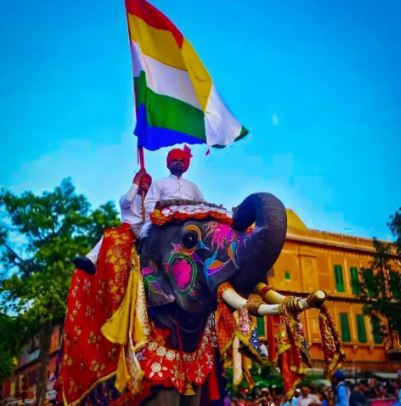
In Jaipur, Teej transforms into a royal pageant, a sight so magnificent that it draws travelers from around the world
For two days, the Pink City becomes a moving canvas of devotion and artistry. The highlight is the Teej Sawari, a grand procession that begins at the historic Tripolia Gate, one of the few times in the year it opens to the public and winds its way to Chaugan Stadium, passing through Chhoti Chaupar and Gangauri Bazaar.
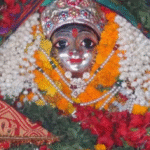
The beautifully adorned idol of Goddess Parvati sits on a golden palanquin, carried by eight men in red turbans. The procession is accompanied by elephants, camels, bullock carts, folk dancers, and musicians playing traditional instruments.
Folk artists perform Rajasthani ballads while local women distribute Teej Prasad, sweets, ghewar, and poori-halwa among the crowd.
Teej fairs pop up across Jaipur and Bundi, offering handcrafted jewellery, textiles, and vibrant Leheriya sarees each stall a glimpse into Rajasthan’s craftsmanship.
“In Jaipur, Teej is not just seen, it’s felt in every beat of the drum and every color on the street.”
The Sweet Taste of Tradition: Ghewar
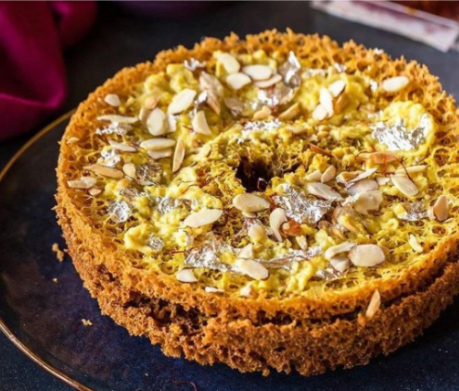
No Teej celebration is complete without Ghewar, Rajasthan’s signature festive sweet. Circular, honeycombed, and dripping with syrup, it’s a dish that embodies indulgence and joy.
Made from flour, ghee, and sugar syrup, and often topped with silver foil or malai, Ghewar becomes the edible emblem of Teej.
As soon as the rains arrive, sweet shops across the state come alive with the fragrance of fresh ghewar, the true taste of the monsoon.
Colors, Faith & Connection: The Essence of Teej
What makes Teej so special is how it beautifully weaves together the sacred and the celebratory. It’s not just about fasting, it’s about faith. Not just about adornment but acknowledgment of love, gratitude, and resilience.
In Rajasthan’s culture, women are seen as the bearers of balance between family and faith, duty and devotion, celebration and prayer. Teej honors that essence through song, ritual, and sisterhood.
“Teej reminds us that devotion need not be solemn, it can dance, sing, and bloom with the rain.”
Experience Teej with Folk Experience
To truly experience Teej is to feel Rajasthan come alive, not just in its colors and sounds, but in its heartbeats. Walk alongside women dressed in hues of green and vermilion, their laughter echoing under rain-washed skies. Learn to prepare Sindhara baskets filled with sweets and bangles, listen to the melodic Teej geet sung in courtyard gatherings, and join the swirl of Ghoomar as the monsoon breeze weaves through the ghagras.
At Folk Experience, we believe festivals like Teej are not spectacles to be watched, but stories to be lived. Each journey we curate invites you to become part of Rajasthan’s living traditions, to share a meal, hum a folk tune, and witness the divine union of devotion and celebration through the eyes of those who keep it alive.
Our experiences are created in collaboration with local families, artisans, and temple communities, ensuring that your presence directly supports cultural preservation and rural livelihoods. Here, you don’t just travel through Rajasthan, you become part of its rhythm, its rain, its renewal.
Travel with Folk Experience, and rediscover what it means to celebrate, not with grandeur, but with grace, connection, and joy that flows as freely as the first monsoon rain.
“To witness Teej in Rajasthan is to see devotion come alive not in silence, but in color, song, and shared celebration.”