Amidst the whispering winds of Rajasthan’s Aravalli hills, where faith is carved into stone and devotion flows like an ancient river, there dwells the legend of Jeen Mata, a goddess born from the anguish of betrayal, the grace of forgiveness, and the power of transformation. In the rugged landscapes between Churu and Sikar, her name …

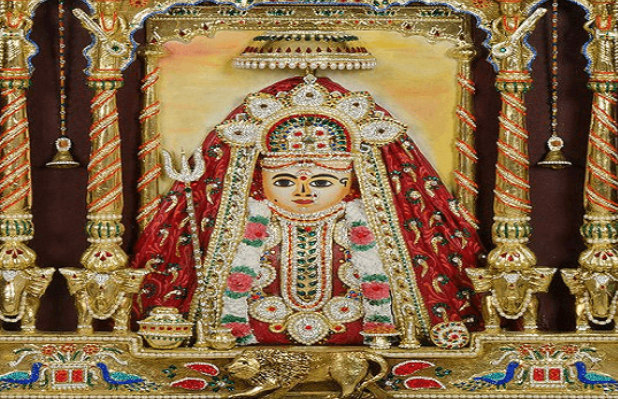
Amidst the whispering winds of Rajasthan’s Aravalli hills, where faith is carved into stone and devotion flows like an ancient river, there dwells the legend of Jeen Mata, a goddess born from the anguish of betrayal, the grace of forgiveness, and the power of transformation.
In the rugged landscapes between Churu and Sikar, her name echoes through the hills, chanted by devotees who climb thousands of steps to reach her shrine, their hearts filled with gratitude, faith, and awe.
Jeen Mata is not just a deity; she is a living symbol of resilience, a woman wronged, a sister separated, and a goddess reborn through faith. Her story, passed down through generations in folk songs and temple hymns, reminds Rajasthan that even pain can become sacred when surrendered to divinity.
“Her tears turned into rivers of strength, and her silence became a hymn.”
Who is Jeen Mata?
Born as Jeen, in the small village of Ghānghu, around 19 kilometres from Churu, she belonged to a Rajput family ,brave, proud, and deeply spiritual. She was the beloved sister of two brothers, Hārsh and Harkaran, but her bond with Hārsh was the most profound ,a sibling connection so pure that it became the heart of her legend.
However, destiny intervened through a test ,a test of love, loyalty, and faith, that would transform her from a mortal sister into a goddess worshipped across Rajasthan.
Today, Jeen Mata is venerated as the Kuldevi (patron goddess) of several communities including Yadavas, Rajputs, Pandits, Agarwals, Baniyas, Jangirs, Meenas, and Chauhans of the Shekhawati region. Her story is not confined to myth ,it lives in the daily prayers of thousands who see her as a protector, mother, and force of divine justice.
The Bet That Changed Everything
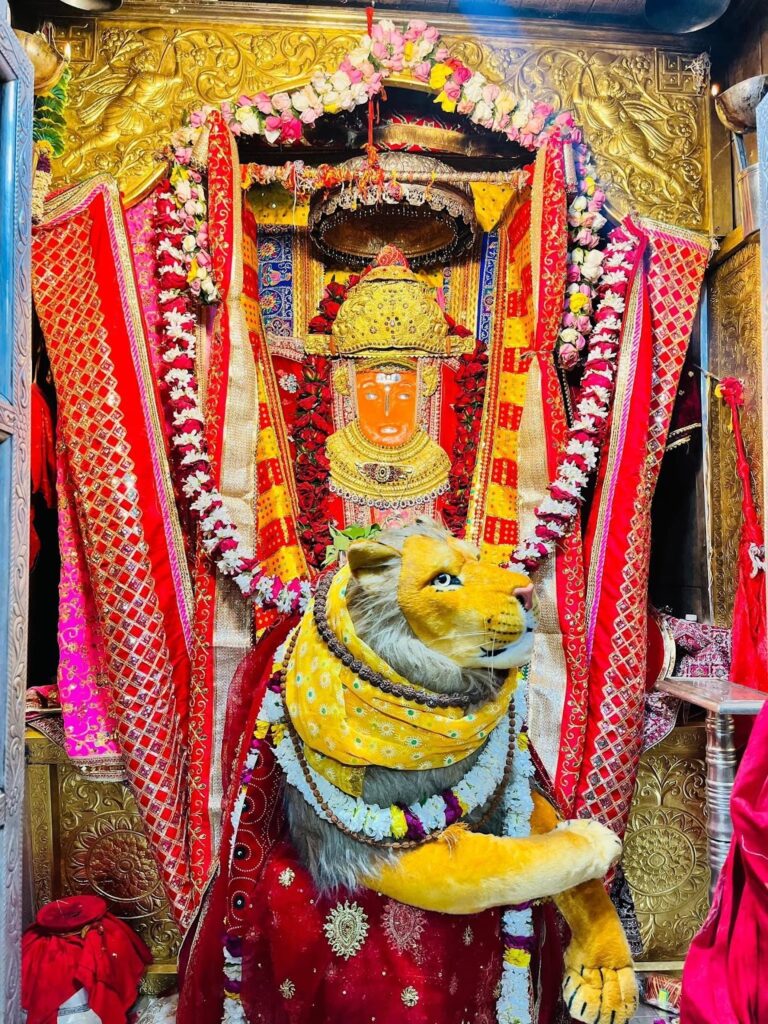
According to oral tradition, the turning point came in the form of a domestic challenge, one that disguised rivalry as a game. Jeen’s sister-in-law, envious of the bond between Jeen and Hārsh, proposed a test: the next morning, both would fetch water from the village pond, balancing two pitchers ,one atop the other.
When they returned, whichever pitcher Hārsh chose to help down first would reveal whom he loved more.
That night, Hārsh’s wife deceived him, convincing him to assist her first, twisting affection into betrayal.
The next day, as both women approached home with their heavy pots, Jeen smiled, confident in her brother’s love.
But to her heartbreak, Hārsh lowered his wife’s pitcher first. Silent and stunned, Jeen placed her pots aside, walked away from her home, and vanished into the wilderness, her silence a curse, her tears a prayer.
“The wound of love became her awakening; the betrayal became her path to godhood.”
Jeen Mata’s Journey to Divinity
Jeen wandered until she reached the tranquil Aravalli foothills near Ralawata village in Sikar district, where the forest became her refuge. There, amidst caves and springs, she meditated in solitude, her sorrow transforming into spiritual energy.
When Hārsh learned of his wife’s deception, remorse consumed him. He abandoned his home and set out to find his sister, guided only by her memory. Eventually, the two siblings reunited in the forests of Ralawata ,a meeting that marked their spiritual ascension.
Jeen, having embraced divine consciousness, became an incarnation of Goddess Durga, the embodiment of feminine power. Her brother Hārsh, following her path, devoted himself to Lord Bhairav, the fierce guardian deity.
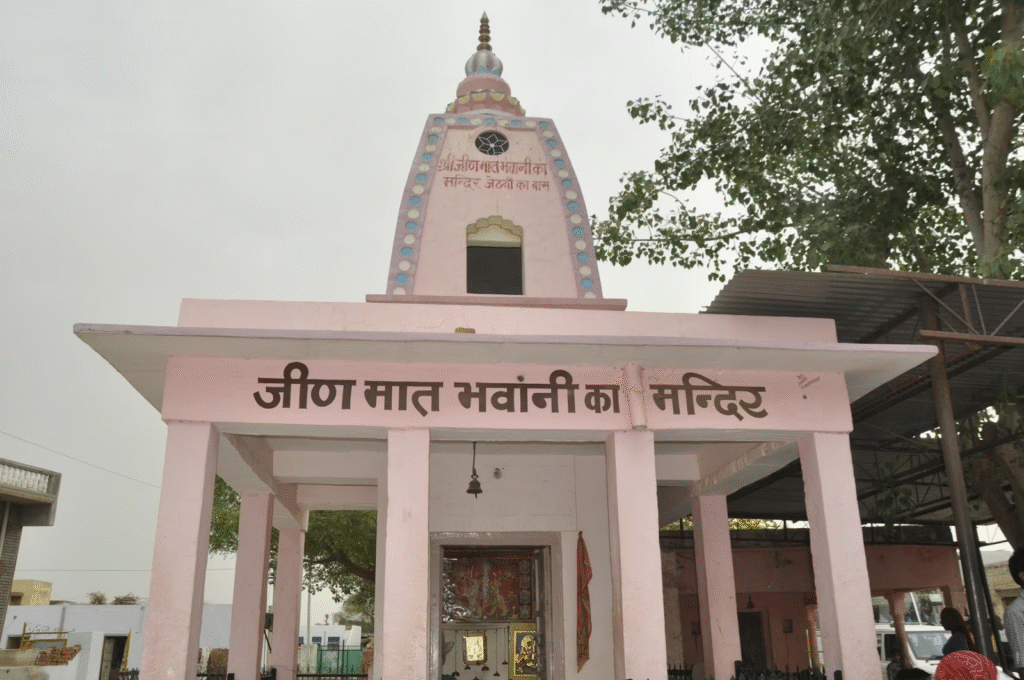
Even today, their bond is immortalized in sacred geography, Jeen Mata’s temple rests at the foothills, while Harshnath Temple, dedicated to Bhairav, stands on the hilltop above her, symbolising eternal connection between the divine sister and brother.
“Between the hill and the valley, their souls still converse in the language of devotion.”
Miracles and the Legend of Aurangzeb
Rajasthan’s oral chronicles are filled with tales of Jeen Mata’s miracles, acts that reaffirmed her role as both protector and avenger.
One of the most famous legends dates back to the Mughal era. When Emperor Aurangzeb’s soldiers marched toward Sikar with the intent to destroy temples, they reached Jeen Mata’s shrine. But as they prepared to strike, a storm of bees emerged from the temple, fierce, unrelenting, divine. The army fled in terror, and the temple remained untouched.
Overwhelmed by her power, Aurangzeb is said to have repented and sent “Savaa man tel”, roughly 41 kilograms of oil, as an offering to the goddess. This act of submission, symbolic of respect from a ruler known for his intolerance, became a ritual continued by his successors for centuries.
The Sacred Shrine of Jeen Mata
Nestled in the Aravalli hills near Rewasa, the Jeen Mata Temple radiates timeless energy. To reach it, pilgrims ascend hundreds of stone steps lined with banyan trees, their roots intertwining like the stories of faith that have grown here for over a thousand years.
During Navratri, the shrine transforms into a spectacle of devotion. Thousands gather ,families, ascetics, traders, and travellers ,their offerings ranging from flowers and sweets to traditional liquor.
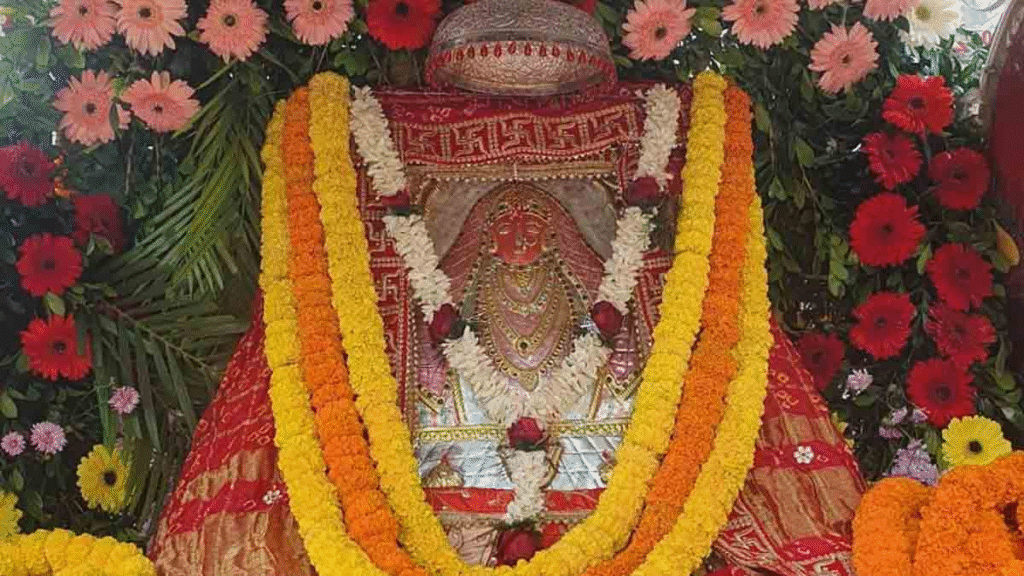
Despite modern legal restrictions, many devotees still secretly offer alcohol as prasad, believing it to be the goddess’s preferred gift. It represents not indulgence but surrender, an offering that symbolises truth and passion, unfiltered by formality.
The Navratri Mela, held on Ashtami (the eighth day) of the festival, draws over a million pilgrims. The air thrums with bhajans, the beating of nagadas (drums), and the rhythmic clang of chimtas.
Nights at the shrine are illuminated by rat-jāga ,all-night devotional vigils where bhajan mandalis (folk singing groups) perform songs in her praise. These singers, often simple villagers, maintain perfect pitch and rhythm through the night, invoking the goddess’s blessings.
“The night belongs to Jeen Mata ,every beat of the drum is a prayer, every flame a heartbeat of faith.”
The Orans: Jeen Mata’s Sacred Ecology
Beyond its spiritual aura, the Jeen Mata Temple is also part of Rajasthan’s ancient “Oran” system, sacred groves dedicated to deities. These forest sanctuaries act as ecological preserves, maintained through community faith rather than government decree.
The Oran of Jeen Mata protects local flora and fauna, serving as a rare example of how spirituality can coexist with sustainability. The temple’s pandas, pujaras, and jagas not only conduct rituals but also act as custodians of these sacred lands, ensuring that reverence extends from worship to nature itself.
Such traditions reveal Rajasthan’s holistic worldview ,one where the divine is not separate from the environment, but enshrined within it.
Rituals and Cultural Expressions
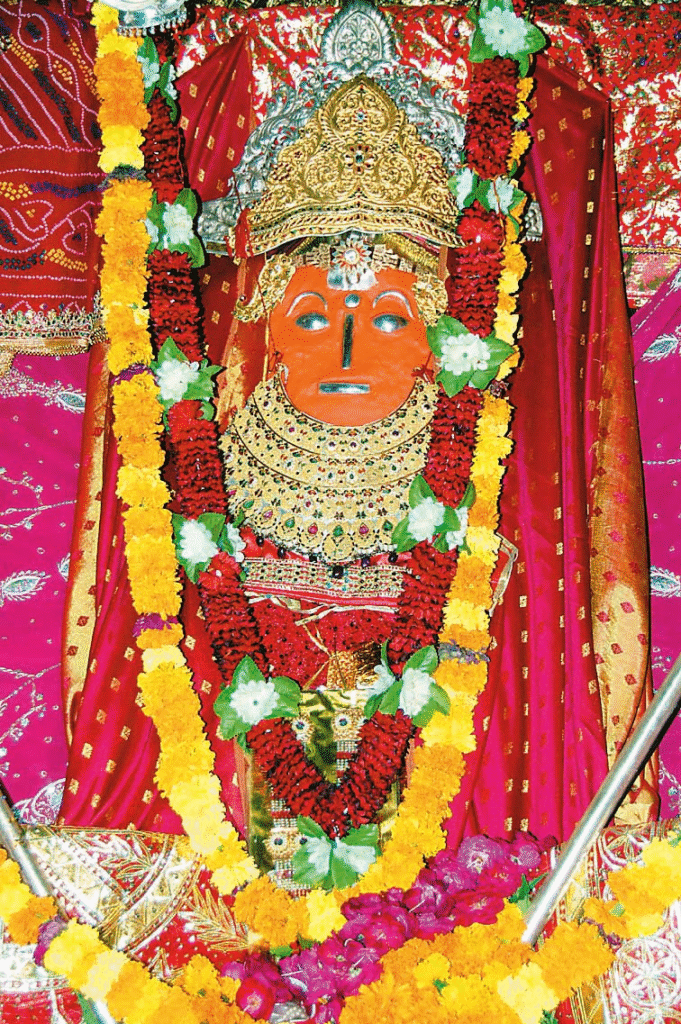
Devotees offer traditional food, sweets, bangles, and sindoor to the goddess, while some bring miniature animal figurines as a mark of gratitude for fulfilled wishes.
The temple is also a place of kuldevi worship, where families gather for generations to perform rituals of marriage, initiation, or thanksgiving.
Over time, new traditions have evolved ,such as the recitation of Jeen Chalisa, Jeen Mala, and other devotional hymns. These Sanskritised versions coexist with older, rustic bhajans sung in Marwari, keeping her folklore alive across dialects and demographics.
The stories of Jeen Mata are not confined to temples, they echo through chang and dhol beats in Rajasthani villages, reminding people that her grace belongs to all who remember her name.
A Living Legacy
Jeen Mata’s presence in Rajasthan’s cultural landscape remains vibrant and personal. For many, she represents Shakti ,the divine feminine energy that nurtures and protects. For others, she is a symbol of forgiveness and endurance, a reminder that even betrayal can be transmuted into divinity.
Every year, thousands of pilgrims, from humble farmers to city dwellers, undertake journeys on foot to her temple, carrying their faith across miles of sunlit dust.
“In every step toward Jeen Mata, there is a prayer for strength and a story of redemption.”
Walk with the Goddess through the Hills with Folk Experience
The legend of Jeen Mata isn’t just a story, it’s a living current of faith that still flows through Rajasthan’s hills, songs, and silences. To walk her path is to trace the journey of strength born from sorrow, of a sister who became a goddess, and of a people who turned devotion into destiny.
At Folk Experience, we don’t just take you to Jeen Mata’s temple, we help you feel her presence in every step, every song, every whisper of wind that moves through the Aravallis.
What makes this experience special:
- Ascend the sacred steps to Jeen Mata’s shrine, alongside local devotees who sing her name as prayer and promise.
- Experience rat-jāgas, all-night bhajan vigils, where folk singers keep the goddess’s legend alive through rhythm and devotion.
- Share stories and offerings with temple pandas and local families, the true custodians of Jeen Mata’s oral tradition.
- Discover the Oran ecosystem, where faith and forest coexist, a living example of Rajasthan’s spiritual ecology.
- Explore nearby Harshnath Temple, where the divine brother watches over his sister from the hilltop, an eternal symbol of love and faith.
Every Folk Experience journey is guided by the people who have inherited these traditions, not from books, but from life itself. Through them, you’ll understand that Rajasthan’s divinity isn’t distant, it’s woven into the dust, the drums, and the devotion of its people.
“In the hills of Jeen Mata, every stone remembers her story and every traveller who listens becomes part of it.”