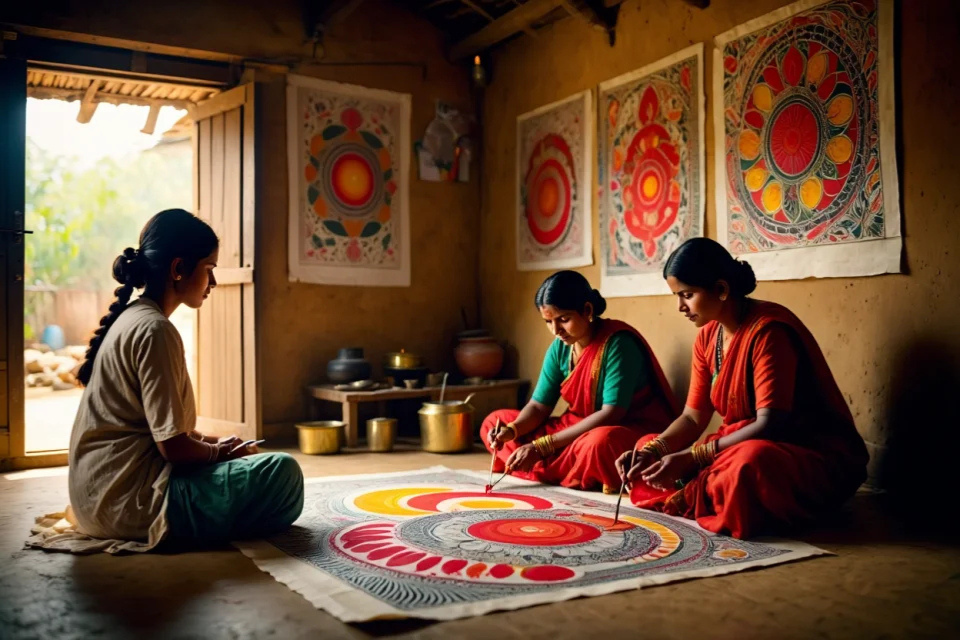
Cultural and Regional Celebrations of Bihar: Faith, Community, and Expression
In Bihar, celebration is rarely about spectacle. It is about continuity. Across the state, cultural and regional gatherings are less events than social practices cultivated over generations. Related to seasons, times of agricultural inactivity, or community calendars, they pro...
Meet your AI Story Guide
Turn this field note into a one-minute brief with the essential places, people, and traditions.
Why Cultural and Regional Celebrations Matter in Bihar’s Social Life
In Bihar, cultural celebrations do a job that formal institutions rarely manage. They bring together villages, towns, and regions around moments where art, belief, and ordinary life can sit in the same space. In doing that, they carry language, music, ritual knowledge, and social norms forward in ways no school curriculum could replicate.
Bihar is a state where people move around a lot. Seasonal labour, migration for work, economic necessity: these are facts of life for a large part of the population. Cultural gatherings provide something to return to, a shared reference point that persists regardless of where people have ended up. Celebration here is not about escape. It is about staying connected to something recognisable.
Celebration as Expression, Not Spectacle
The thing that stands out about Bihar's cultural gatherings is how little they try to impress. No grand stages, limited branding, almost no visible line between performer and audience. Whatever expression emerges comes from within the community, not from a production team working to an external brief.
When a celebration stays close to lived experience, it tends to stay meaningful. The question is never scale or visibility. It is whether the thing still means something to the people taking part.
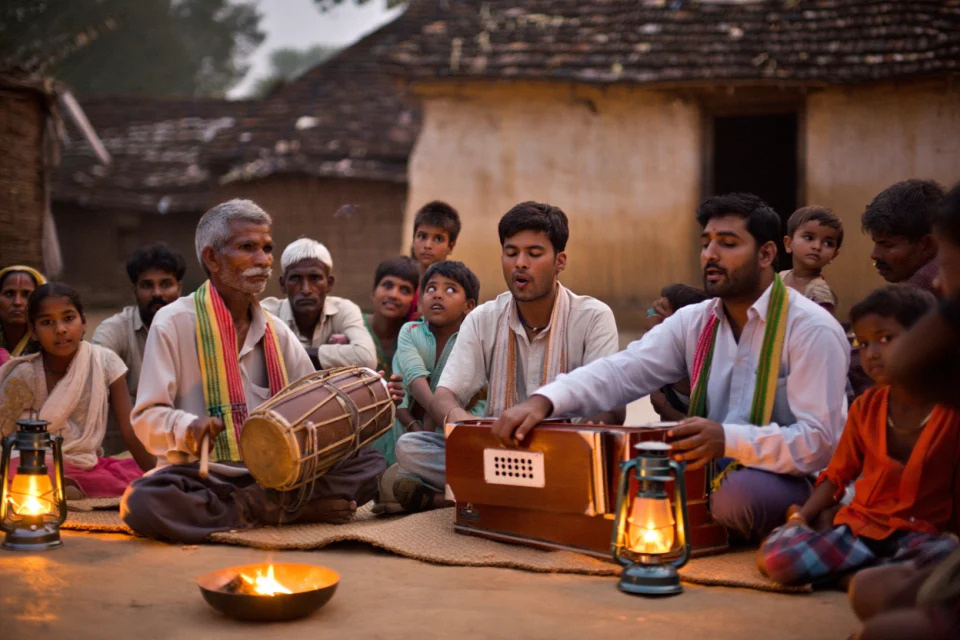
Rajgir Mahotsav: Music, Dance, and Regional Identity
Rajgir Mahotsav is held against the backdrop of hills that have held Buddhist councils and Jain pilgrimage routes for over two thousand years. That history is not decorative. It shapes the feel of the festival. Artists and audiences come together in a setting that carries weight, and the performances reflect that.
The festival is not set up for mass entertainment. It works as a meeting point for people who are rooted in the region, and it brings together local traditions alongside broader Indian classical forms. Art here carries geography and history in a way that a neutral performance space would not allow.
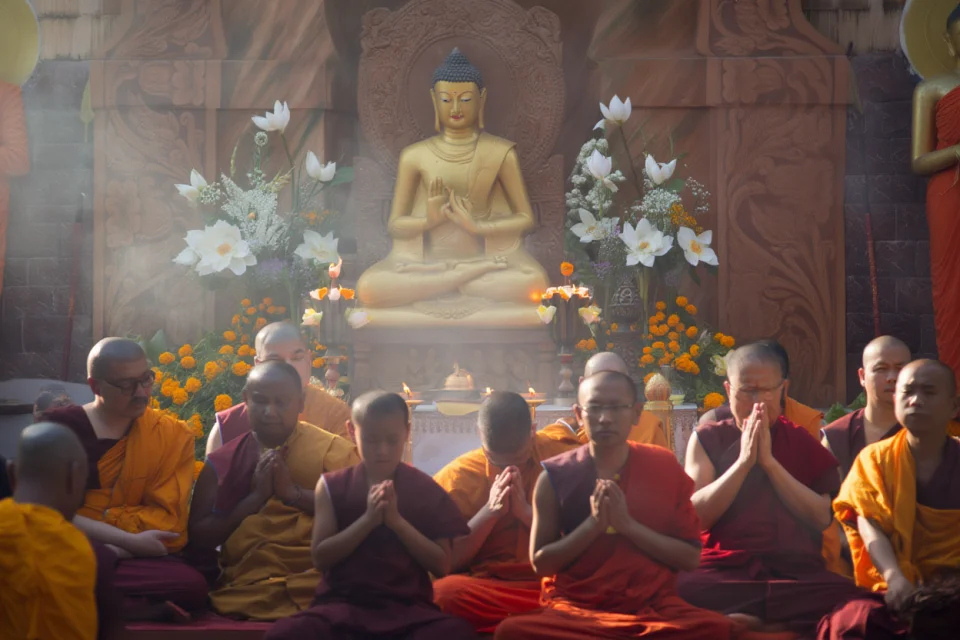
Buddha Jayanti: Bihar and the Global Buddhist Community
Bihar's connection to Buddhism is not incidental. Bodh Gaya, where the Buddha attained enlightenment, sits in the state. That single fact puts Bihar at the centre of global Buddhist attention every year.
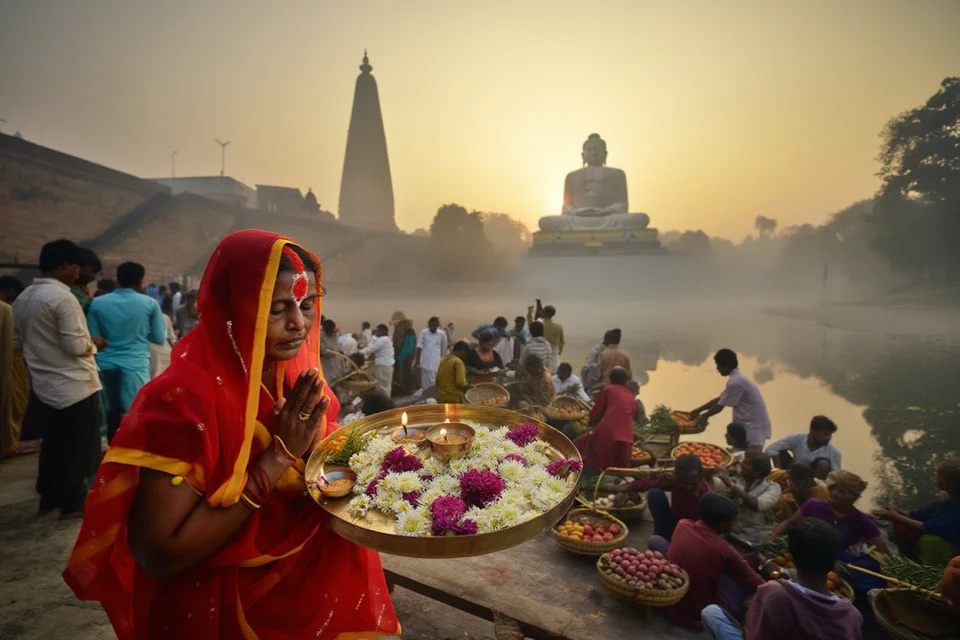
Buddha Jayanti is not a festival in the conventional sense. Monks, pilgrims, and visitors arrive from across Asia for prayers, meditation, and teachings. The atmosphere is deliberately quiet. This is not a gathering shaped by colour and sound but by silence and shared contemplation. It demonstrates, in a very visible way, that faith can be experienced collectively without needing spectacle to hold it together.
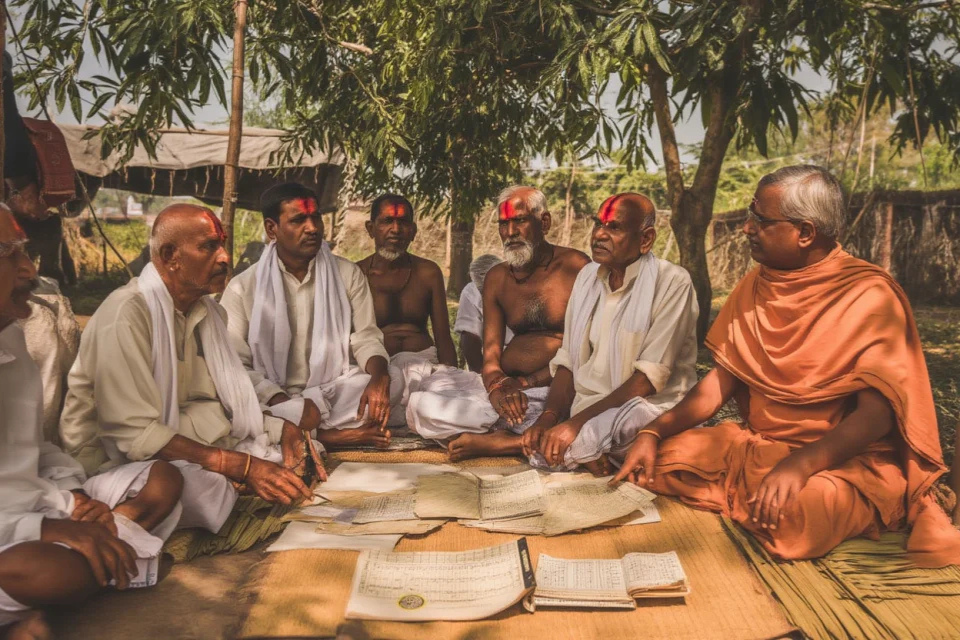
Saurath Sabha: Marriage, Society, and Social Organisation
In Mithila, the Saurath Sabha was never just about finding a marriage partner. Yes, families did come together to talk about alliances, but it was within the context of community norms, lineage considerations, and social accountability. Marriage was treated as a collective responsibility rather than a private arrangement between two families.
The Sabha has changed over the years. Its form today is not what it was a century ago. But it remains a clear example of how cultural gatherings in Bihar have historically taken on functions that go well beyond the immediate occasion. It helped regulate social life. That role has not entirely disappeared.
What Bihar’s Cultural Celebrations Reveal
Bihar's celebrations are not events that happen and then end. They are continuations of social life, systems through which art, faith, and relationships get renewed over time. To look closely at any one of them is to see how meaning accumulates through repetition, through people showing up and doing the same things together, year after year.
Cultural Gatherings as Living Institutions
Rajgir Mahotsav, Buddha Jayanti, and the Saurath Sabha each address a different part of social life: artistic expression, spiritual reflection, and social organisation. None of them depend on novelty or spectacle to remain relevant. They stay useful because they respond to real needs: the need to express identity, to belong to something larger, to manage relationships in an orderly way.
Why Bihar's Cultural Celebrations Resist Performance
These gatherings resist becoming shows because their value sits in participation rather than observation. You are either inside the thing or you are not. That resistance keeps them from being diluted. Culture in Bihar is something people do together. It is not produced for an outside audience to consume.
What These Celebrations Say About Bihar
Taken together, Bihar's cultural gatherings reflect a society that consistently places continuity above novelty, community above individual display, and meaning above scale. Faith, art, and social life are not separate concerns here. Each one reinforces the others. Culture survives in Bihar not because it is actively promoted but because it is practised, routinely, across seasons and generations.
How Understanding Cultural Celebrations Changes the Way You Travel Bihar
Once you begin to understand how these celebrations work, travel changes. You stop looking for events and start noticing practices. You develop patience for the things that do not announce themselves. Monuments become less interesting than the moments happening alongside them: songs, rituals, social gatherings that most visitors walk past without noticing. Understanding Bihar's cultural life is not about attending more festivals. It is about recognising what is happening in the ordinary moments in between.
Why Choose Folk Experience to Travel Bihar
Travelling in Bihar is not about ticking destinations off a list. It is about understanding people, practices, and everyday life. That is where a folk-led approach is most effective.
Folk Experience is another way to travel Bihar:
Because culture is lived, not staged: Folk experiences put you in real communities, not curated events.
Because art and faith explain place: cultural celebrations show you Bihar's deeper social rhythms in a way that sightseeing never can.
Because social traditions matter: you learn how relationships and responsibility shape everyday life.
Because stories stay with you longer than photographs: you come away with real understanding.
Because travel should slow you down: Folk experiences encourage presence, listening, and reflection.
Because understanding builds respect: When you travel through cultural practice rather than past it, you do not just see Bihar. You start to understand it.
Choosing a folk experience means choosing depth over distance, people over places, and meaning over movement.
That is how Bihar reveals itself: not loudly, but steadily, through culture that continues to be lived.
keep wandering