Fairs and Religious Gatherings of Bihar: Faith, Trade, and Sacred Journeys
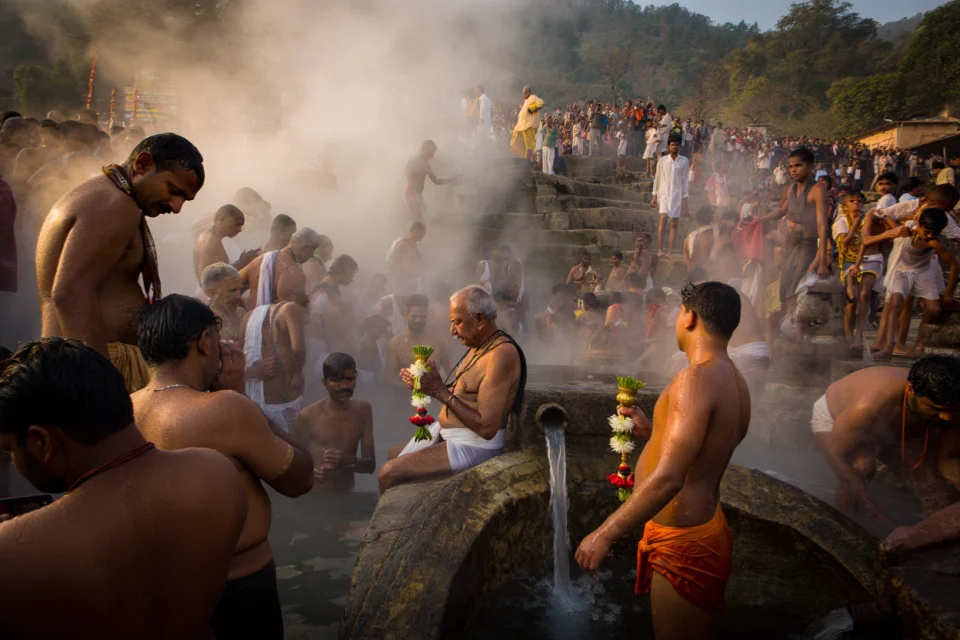
In Bihar, faith does not stay still. It walks, gathers, trades, waits, and returns home changed. Across the year, the state hosts some of India’s largest and most enduring religious fairs and pilgrimages, spread across multiple seasons and lunar cycles. These gatherings are no...
Meet your AI Story Guide
Turn this field note into a one-minute brief with the essential places, people, and traditions.
Bihar’s Melas: Where Faith, Trade, and Movement Converge
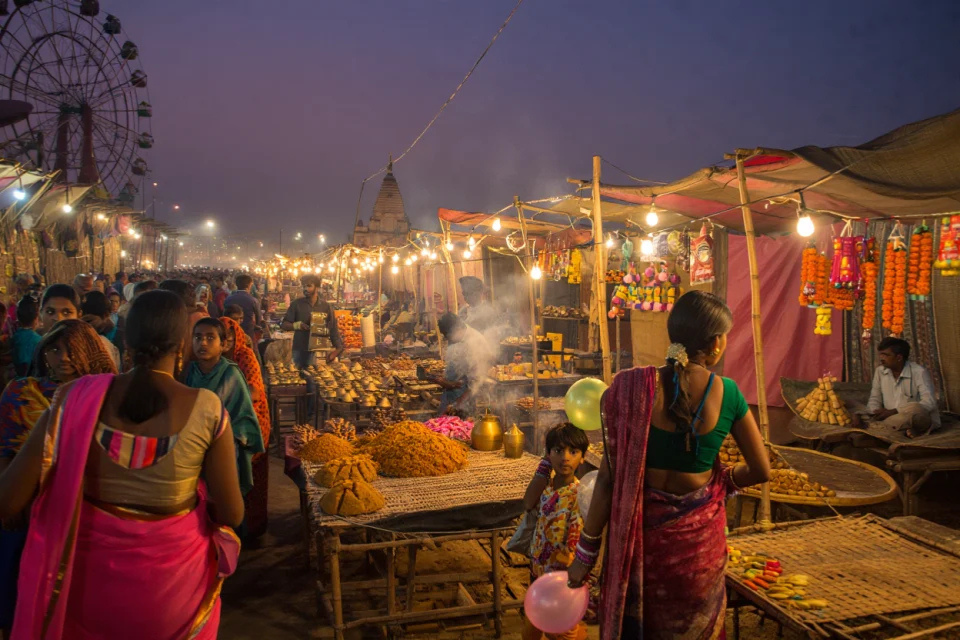
Bihar's melas are not occasional disruptions to routine. They are built into the routine. They appear and dissolve with the seasons, with lunar calendars, and with the natural pauses in agricultural life. Each one creates a temporary world where faith, trade, and community life run alongside each other rather than in separate lanes. To understand the melas is to understand something about how Bihar experiences religion: not as fixed worship in a fixed place, but as a form of collective motion shaped by land, labour, and time.
Fairs as Social Institutions
These fairs have never been just religious events. They are social systems: places where rituals are performed and goods change hands, but also where relationships are negotiated, old disputes are settled, and collective memory is renewed. Before modern communication and transport, they filled gaps that nothing else could. They are still doing that work today, just with a different infrastructure around them.
Faith and Economy Moving Together
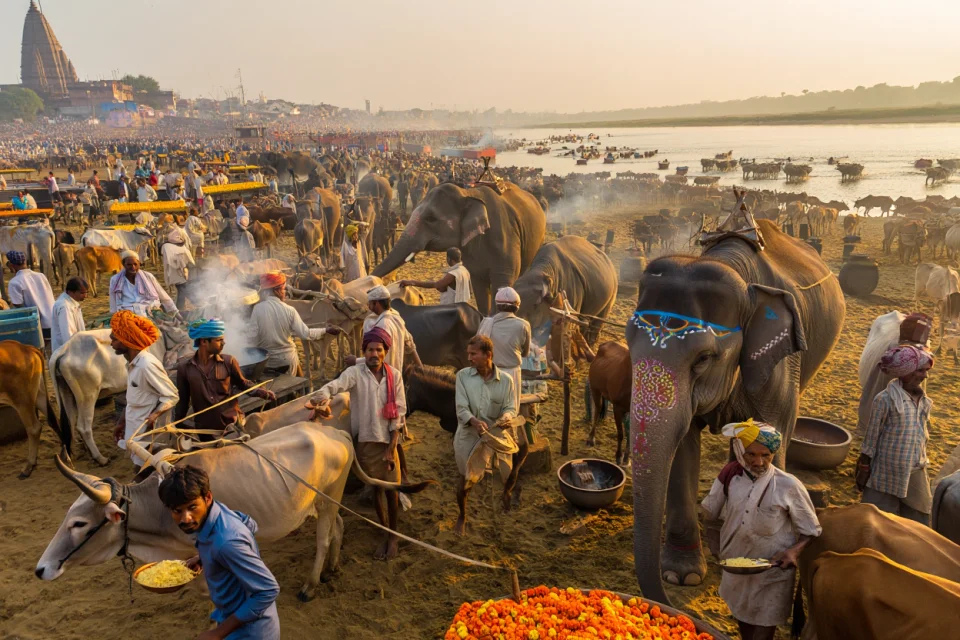
Sonepur Cattle Fair, at the Ganga and Gandak confluence, shows this most clearly. Worship at the Harihar Nath Temple and livestock trade across tens of thousands of animals: these happen simultaneously, in the same space, without either one undermining the other. The fair has been working this way for more than three centuries. The underlying idea is that livelihood itself carries something sacred.
Pilgrimage as Ancestral Responsibility
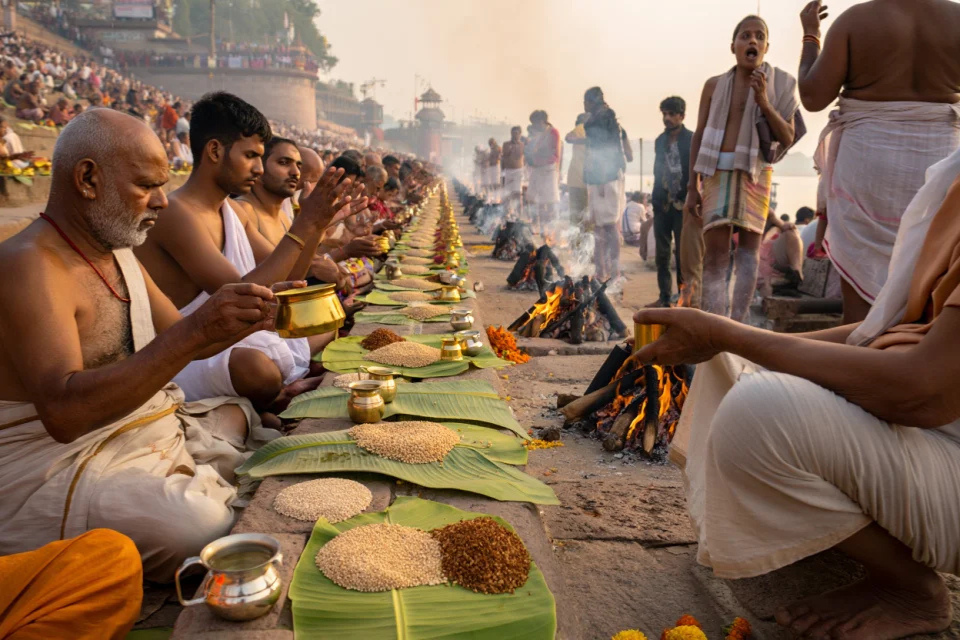
Pitrapaksha Mela in Gaya is organised around a different kind of obligation. Several lakh pilgrims arrive each year not to celebrate but to fulfil shraddha rituals for ancestors. The city becomes a space defined by duty and remembrance. They go great distances, not for themselves but to do what their line expects of them.
Devotion Through Physical Endurance
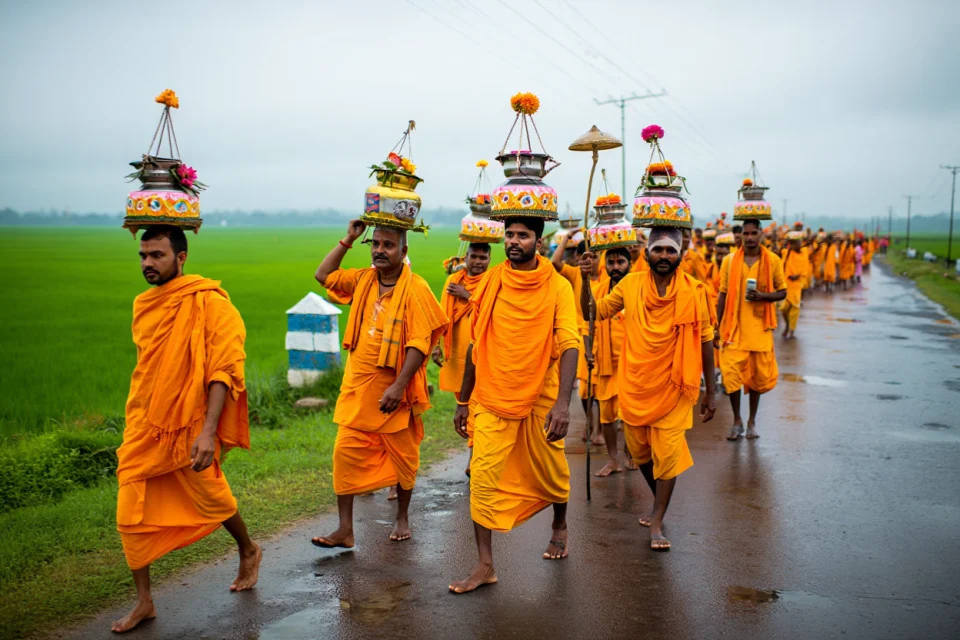
Shravani Mela turns movement into worship. Millions of Kanwariyas walk the route from Sultanganj to Deoghar every monsoon, often barefoot, under strict fasting and behavioural discipline. Physical difficulty is not an obstacle to the ritual. It is the mechanism through which the ritual works.
Sacred Time Shaping Sacred Space
Malmas Mela in Rajgir gathers pilgrims during the intercalary month, Adhik Maas, which occurs roughly every 32 to 33 months. The hills, hot springs, and ancient sites of Rajgir provide a setting that absorbs temporal instability rather than being disrupted by it. Cosmic irregularity and geographical sanctity combine in a way that cannot be replicated elsewhere.
Fairs as Temporary Cities
Major melas transform empty land into functioning cities for weeks at a time. Roads appear, sanitation systems are installed, healthcare camps open, security arrangements are made, and markets emerge. Then it all comes down again. These temporary settlements operate with their own economies and their own governance, built entirely around the needs of the gathering.
Family Journeys and Intergenerational Learning
Bihar's religious gatherings are rarely individual events. Families travel together, and knowledge passes not through formal instruction but through presence. Women plan the rituals and the logistics. Children learn by being there: by watching where to stand, when to be quiet, how to move through a sacred space with the right kind of attention.
Faith as Motion, Not Monument
Looking at these melas together, what emerges is a picture of faith that does not settle in one place. It moves with people, responds to seasons and labour cycles, and returns year after year shaped by land, time, work, and memory. Bihar's melas are not interruptions to everyday life. They are one of the ways everyday life keeps going, collectively and in motion.
How Bihar’s Fairs Transform Travel into Sacred Journeys
What separates Bihar's religious gatherings from events designed for spectacle is that they are not designed for spectacle. Despite drawing lakhs and in some cases crores of participants over extended periods, these gatherings offer no viewing galleries, no curated narratives, and no designated spaces for observers. You are either participating or you are on the outside. As one cultural researcher has put it, faith here is not organised for display. Participation, not presentation, is the whole point.
When travellers begin to understand this, Bihar stops looking like a collection of monuments and starts looking like a network of living faiths spread across pilgrimage routes, seasonal calendars, and journeys repeated annually. Travel shifts from seeing to joining, from observing to walking, and reveals how economy, geography, and belief weave together across seasons and generations. In Bihar, faith is not fixed to a single place. It moves, gathers, trades, and returns.
Why Choose Folk Experience to Travel Bihar
Travelling in Bihar is not about ticking destinations off a list. It is about understanding people, practices, and everyday life. That is where a folk-led approach is most effective.
Folk Experience lets you travel. Bihar differently:
Because culture is lived, not staged: Folk experiences put you inside the real gatherings, not outside the barriers.
Because faith explains movement: Learning about pilgrimages tells you about the living geography of Bihar.
Because livelihoods matter: Fairs are economic ecosystems, not just religious events.
Because stories last longer than images: You come away with real understanding.
Because travel should be participatory: Folk-led journeys favour presence over pace.
Because understanding breeds respect: When you walk through fairs, rituals and journeys, you don’t just see Bihar. You start to understand it.
Choosing a folk experience is choosing depth over distance, people over places, and meaning over motion.
That’s how Bihar reveals itself: not as a destination, but as a journey in motion.
keep wandering