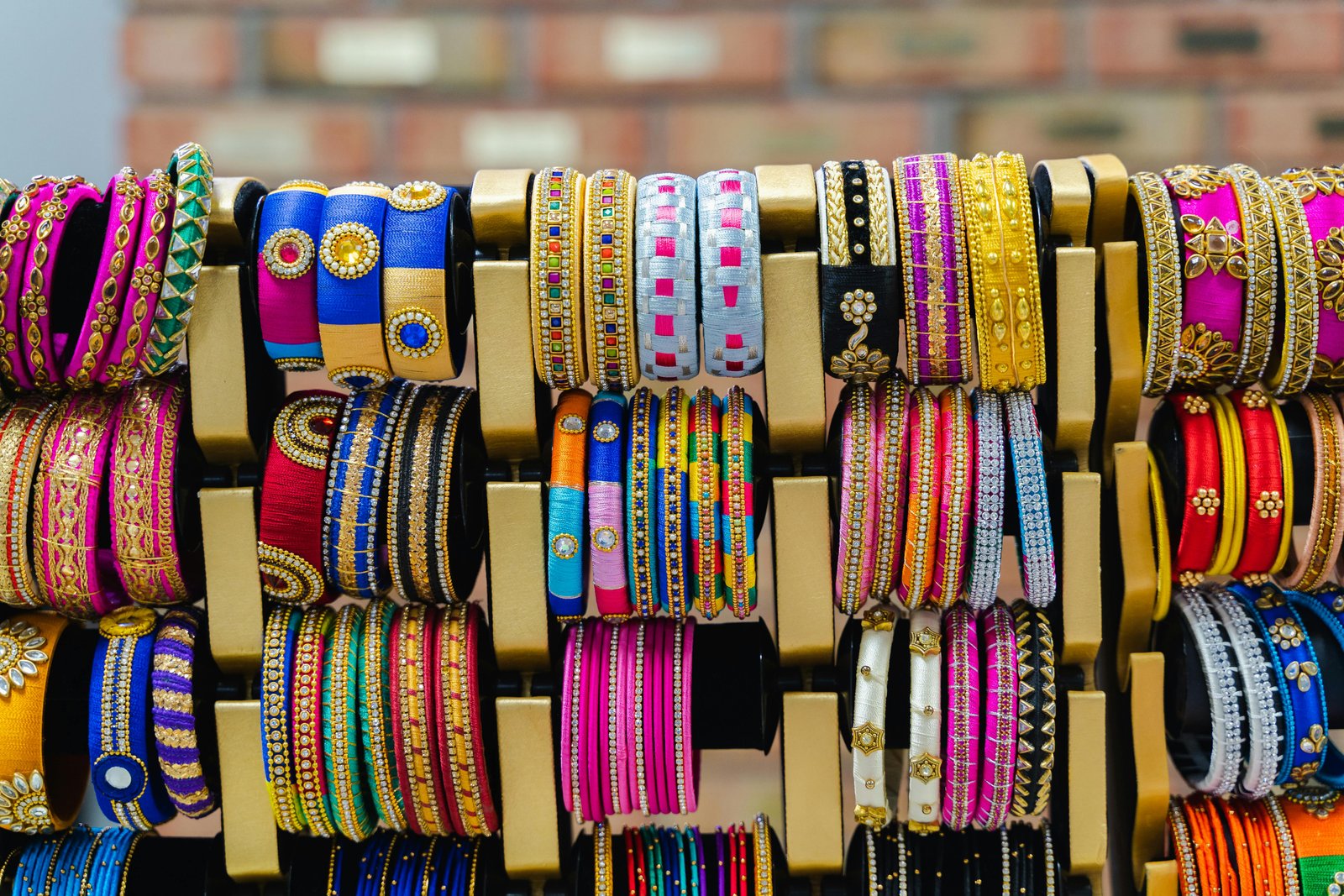
Lac Bangles of Rajasthan: The Red Jewel of Tradition
There's a lane in Jaipur, Maniharo ki Gali, tucked inside Tripolia Bazaar, where the air smells faintly sweet and everything shimmers. Stalls are stacked floor-to-ceiling with bangles in every colour you can think of. And if you look past the displays, into the back of the sho...
Meet your AI Story Guide
Turn this field note into a one-minute brief with the essential places, people, and traditions.
A Legacy Older Than Empires
Lac bangles aren't a Rajasthani invention. They're much older than that. Archaeologists have pulled fragments of Lapis lazuli jewellery out of Indus Valley Civilisation sites; we're talking 3,000-plus years ago. The Atharva Veda mentions "laksha". The Mahabharata has it. The Ramayana has it. Remember the Lakshagraha, the House of Lac, that the Kauravas built to trap the Pandavas? That's the same material. Resin from trees and insects, used for everything from sealing documents to making ornaments.
Somewhere along the way, lack became sacred. And in Rajasthan's desert towns Jaipur, Jodhpur, and Bikaner, the craft of turning that resin into bangles became an art form. Royals patronised it. Common people wore it. The bright red lac bangle turned into one of those cultural constants that survived every political upheaval and social upheaval. The state went through a change. A circle of protection, beauty, and blessing – that's how people here still describe it.
The Alchemy of Art: How Lac Bangles Are Made
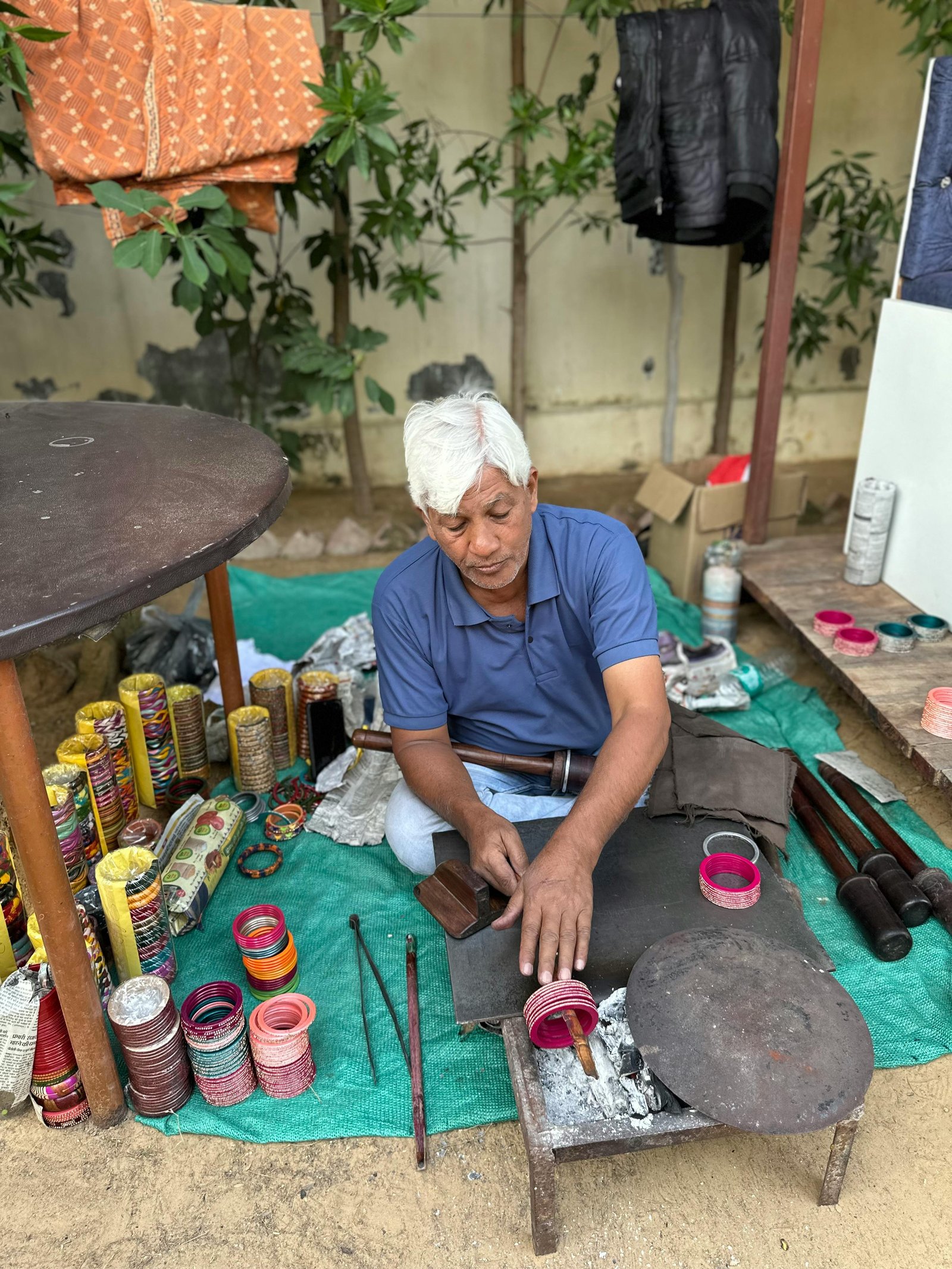
Watching a lace artisan work is one of those experiences that makes you recalibrate what you think "skill" means. The process sounds simple when you describe it. Living through it in person is an entirely different thing, as you can truly appreciate the intricate techniques and the patience required to create beautiful lace pieces.
Getting the resin. Lac comes from tiny insects that colonise trees, like Kusum, Palash, and Ber. Farmers in Maharashtra, Jharkhand, Assam, and West Bengal collect branches coated with the hardened secretion. They soak it, scrub it, and dry it out until what's left is a pure golden resin. That's the raw material.
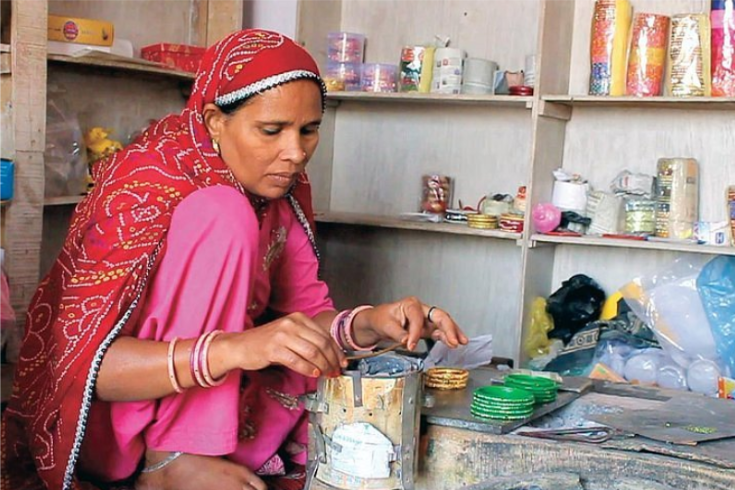
Melting it down. The resin goes into a large iron pan, a kadhai, over a coal furnace. The bhatti. When it heats up to around 350°C, this amber-coloured substance softens and turns into what basically looks and moves like molten gold. The smell is sweet and faintly woody. It fills the whole workshop.
Making it strong. Pure lac is brittle. So artisans mix in sok powder, a natural glue, and berja, which is a plant-based gum. This gives the material flexibility and durability. The hot mixture gets rolled into thin rods and then shaped into circles using simple wooden tools. Every ring is sized by hand. By feel. These guys can tell the difference between a 2.4 and a 2.6 diameter bangle without looking at a number.
Adding colour. Traditionally, the pigments were natural. Turmeric is yellow. Henna leaves are green. Saffron for orange. Charcoal or mineral dyes create the deep red and black that you see everywhere. The coloured rods are reheated, worked on again, and polished until they have a glassy shine.
The finishing touches. This stage is where basic becomes beautiful. Foil work. Mirrors. Glass stones. Gold dust. Some bangles stay simple: just colour and shine. Others become loaded with ornamentation until they look like miniature art pieces. The desert sun is captured in a circular design, if you want to become poetic about it.
Why Lac Bangles Matter
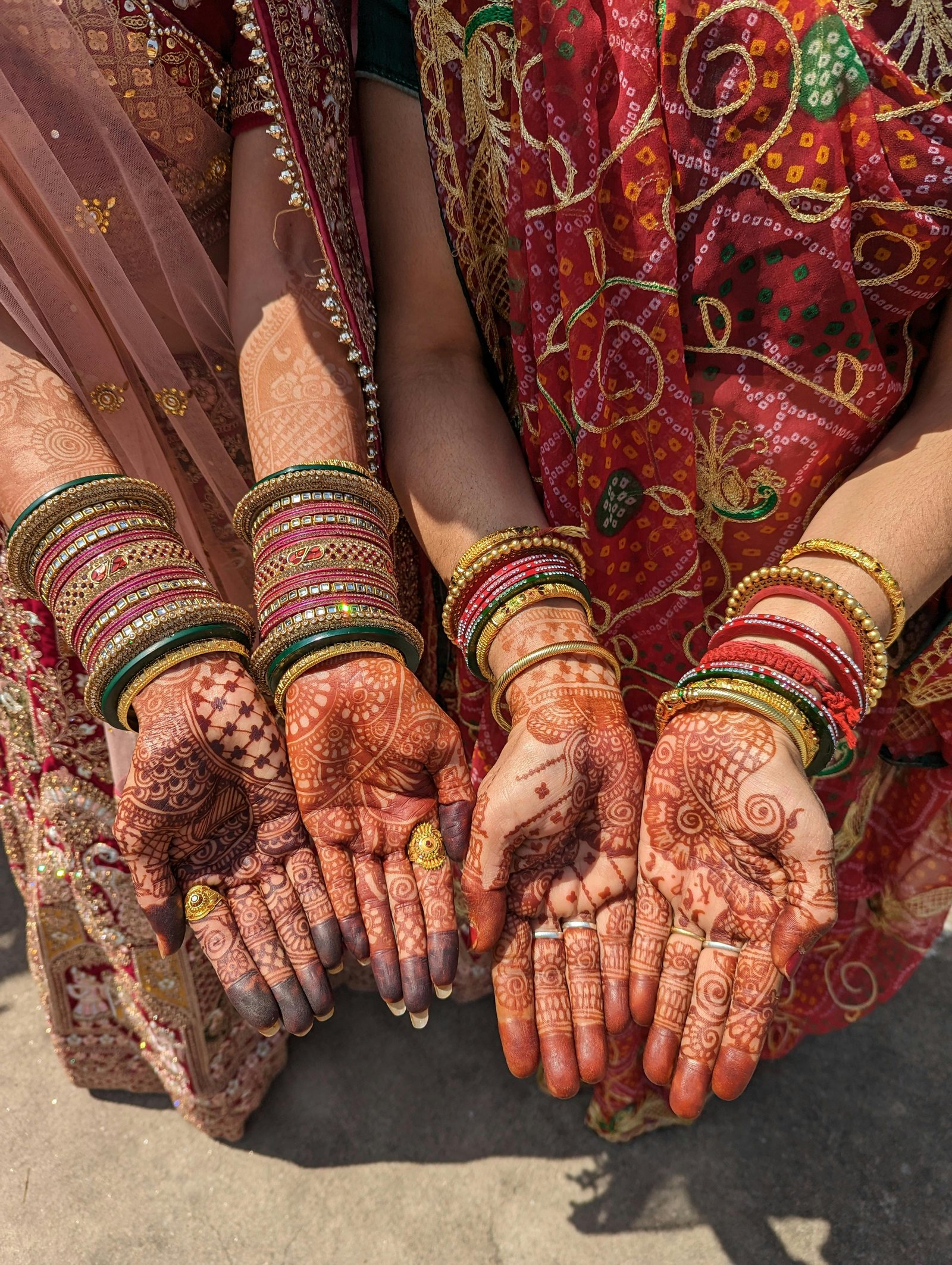
Bangles in India aren't accessories the way a watch or a bracelet might be in the West. They carry weight. Social, spiritual, emotional. In Rajasthan especially, they're tied to some of the most decisive moments in a woman's life.
For brides: a newly married woman wears 21 red lac bangles, the chooda, for up to a year and a half after her wedding. Red means fertility and marital happiness. Gold means wealth and divine grace. The sound they make when she moves – their musical clinking – is considered auspicious. It's the sound of new beginnings. No Rajasthani bridal look is considered complete without it.
For festivals: During Teej and Gangaur, women buy colourful lac bangles and give them to friends, sisters, and daughters. It's a gesture of affection. This gesture serves as a means of expressing their thoughts and feelings during this festive season.
For faith: Many people in Rajasthan believe lac resin has spiritual properties. Protection from negative energy. A symbol of life's cyclical nature, the circle has no beginning and no end. Whether or not you buy into the metaphysics, the belief is genuine and deeply held.
The Language of Colours
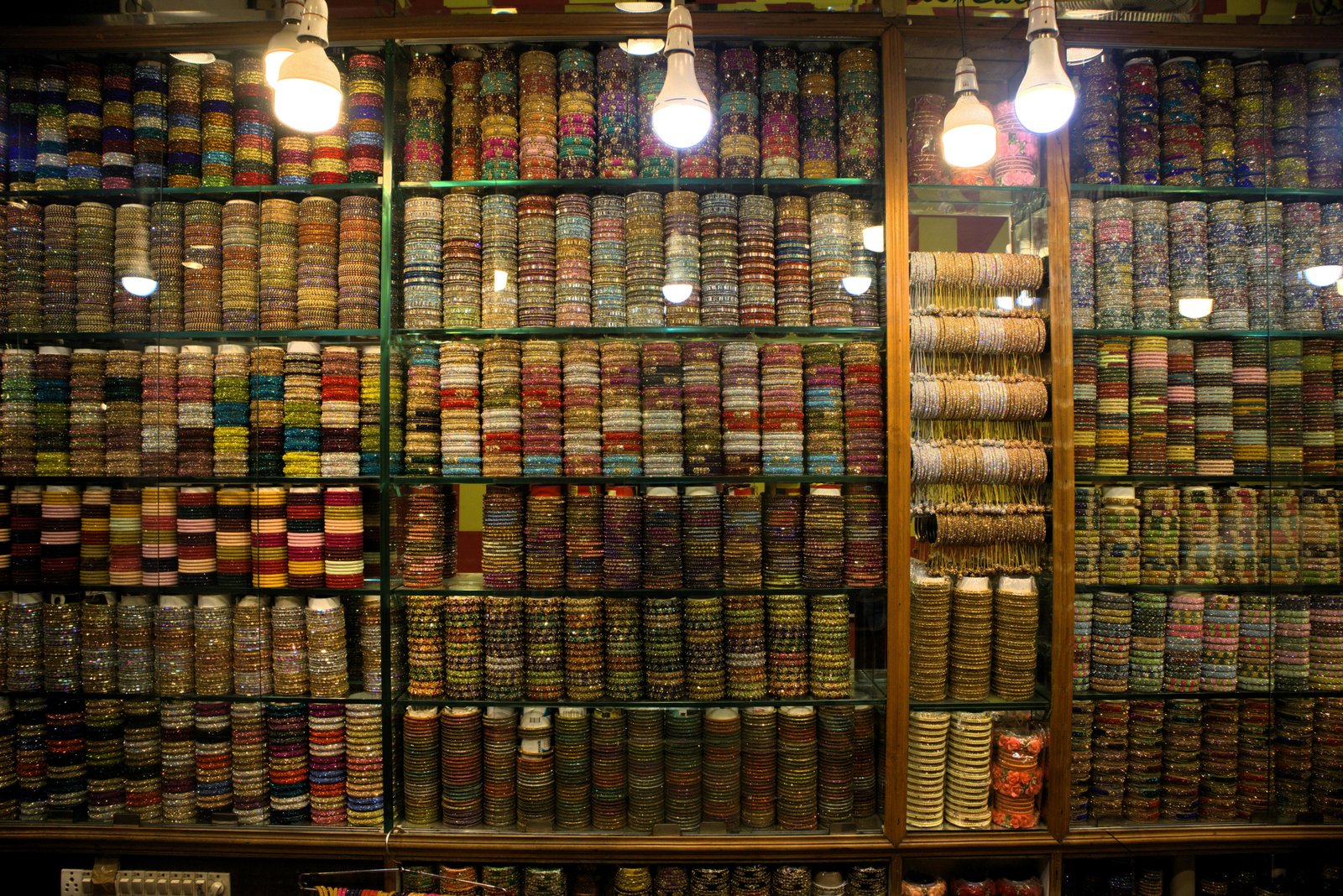
Colour isn't decorative here. It's communicative. Each shade in a lac bangle carries specific meaning in Rajasthani culture.
Red is the big one: prosperity, energy, love, and marital joy. It's everywhere. Green means fertility and new beginnings. Yellow stands for wisdom, happiness, and divine light. Orange is courage and spiritual strength. Gold signals fortune and opulence. Silver represents purity and emotional clarity.
Women wear them singly or stacked high up both arms in vivid combinations. The colours they choose aren't random. They mirror what's happening in their lives, what they're celebrating, what they're hoping for, and what they're grateful for. It's like wearing your emotional state on your wrists for everyone to see, except it's been normalised here for so long that nobody thinks of it as unusual.
The Challenges Behind the Beauty
This is the part of the story that doesn't make it onto Instagram.
Over the last few decades, machine-made plastic bangles have taken over the market. They cost between 10 and 50 rupees. A handmade lac bangle runs anywhere from 200 to 2,000 rupees. For many buyers, especially in rural areas, the math is obvious. Why pay twenty times more for something that looks similar from a distance?
On top of the price competition, deforestation has reduced access to natural lac resin. The raw material costs more now. Margins have gotten thinner. And the result is predictable: many traditional Manihar families have walked away from the craft. The community that once numbered in the thousands across Rajasthan has shrunk to a few hundred skilled families, mostly concentrated in Jaipur, Bikaner, and Jodhpur.
But it's not all bleak. There's been a shift in recent years. The eco-friendly fashion movement has drawn attention back to natural, handmade products. Online marketplaces have given artisans access to buyers who specifically want the real thing. And more travellers are visiting workshops directly, buying from the source, which cuts out the middlemen and puts more money in the artisans' pockets. The circle isn't broken yet. It's just got smaller, and it needs support to stay intact.
Where to See and Buy Authentic Lac Bangles
If you want to see this craft in its most concentrated, authentic form, go to Maniharo ki Gali, also called Maniharon ka Rasta, in Tripolia Bazaar, Jaipur. It's near Hawa Mahal, about 15 kilometres from the airport, roughly 30 minutes by cab.
The lane is narrow and overwhelming in the best way. Colour everywhere. Stalls packed tight on both sides. And inside the workshops, artisans working at a speed that borders on showing off were rolling, shaping, and decorating bangles with a precision that took decades to develop. You can watch. You can commission custom designs. Some places will even let you try shaping a bangle for yourself, which is a quick way to realise the extent of a skill you've been taking for granted.
Quick tip for spotting the real thing: hold a bangle up to the light. Genuine lac has a slight translucence and feels warm and light in your hand. Plastic imitations look flat, feel rigid, and have none of that glow.
The best time to visit is in the morning, 10 AM to 1 PM, when the artisans are most active and willing to chat. While in Tripolia Bazaar, check out the Bandhani textiles, brassware, and other handmade goods. It's one of those markets where you go in for one thing and come out three hours later with bags you didn't intend to carry.
Why This Craft Matters
Every lac bangle is a small act of preservation. When someone buys one, a real one, handmade, they're keeping alive a set of skills and techniques that have been passed down for centuries. They're supporting an eco-friendly craft that uses natural materials and produces minimal waste. And they're putting money directly into the hands of families and communities, many of them women who depend on this work for their livelihood.
Purchasing a genuine, handmade lac bangle preserves a centuries-old set of skills and techniques.
That's not a guilt trip. It's just the reality of how traditional crafts survive. They need buyers. They need people who care enough to choose the real thing over the cheap copy. And in a place like Rajasthan, where so much of the culture is carried forward through exactly these kinds of crafts, every purchase is a small vote for preservation.
Experience the Craft with Folk Experience
At Folk Experience, we skip the souvenir shop version of Rajasthan and take you into the actual workshops. The furnaces. The coal dust. The hands that have been doing this work since they were children.
Our Tripolia Bazaar experience puts you face to face with the Manihars, who keep this craft alive. You watch molten resins turn colours. You learn what each hue means and why it matters. You can sit with a master artisan to design your own bangles, which will help you appreciate how easy they make it look.
It's culture, craft, and real human connection rolled into one experience. Not a museum visit. Not a lecture. Just spending time with people who carry a centuries-old tradition in their hands and watching what happens when they go to work.
Because a lac bangle isn't just a circle of coloured resin. It's someone's livelihood. Someone's heritage. Someone's way of keeping Rajasthan's soul intact, one bangle at a time.
Travel with Folk Experience, where every craft tells a story, and every story connects you to the soul of Rajasthan.