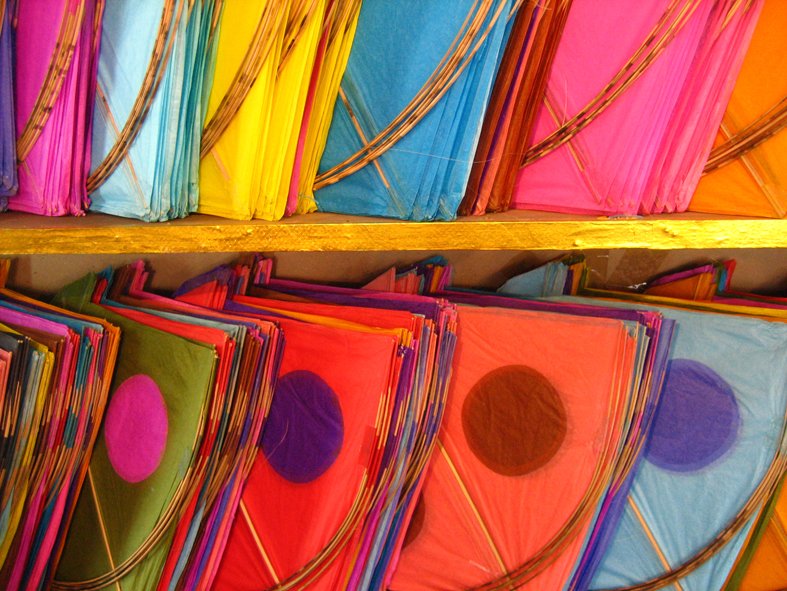
Rajasthan's Spectacular Kite Festival: Colouring the Skies on Akha Teej
There's a morning in Bikaner every year when you wake up and the sky looks wrong. It's not wrong in a bad way, but it's wrong in the sense that it's full of colour when there shouldn't be any. Hundreds of kites. Paper squares of every imaginable shade catch the wind and tug ag...
Meet your AI Story Guide
Turn this field note into a one-minute brief with the essential places, people, and traditions.
When and Why Akha Teej is Celebrated
It falls on the third day of the bright fortnight, Shukla Paksha Tritiya, in the month of Vaishakha. The name can be easily understood: "Akshay" signifies imperishable. "Tritiya" means the third lunar day. Put them together and you obtain a day that's supposed to represent prosperity that doesn't fade. Eternal good fortune. The kind of blessing that sticks.
The mythological weight behind this date is heavy. According to Hindu tradition, the auspicious date is the day Lord Ganesha started writing the Mahabharata. It's also when Lord Parashurama was born. Additionally, it's the day when the sacred Ganga River descended to earth. With that kind of resume, it's no surprise that people consider Akha Teej the single best day to start anything new: a business, a marriage, or a major purchase. Buying gold on this day is practically mandatory in some families because it's believed to bring lifelong blessings.
For Jains, the day carries its significance. It marks the moment when Lord Rishabhdev broke a year-long fast by drinking sugarcane juice offered by a devotee. That act of giving and receiving is still commemorated. Among Sikhs, Akha Teej is the day Guru Arjan Dev Ji laid the foundation stone of the Golden Temple in Amritsar.
Three different faiths. Three different stories. Same date. Same core idea: gratitude and new beginnings. That overlap isn't accidental. It's part of why Akha Teej has survived as long as it has; it belongs to everyone.
Rituals of the Day: The Sacred Earthen Pot
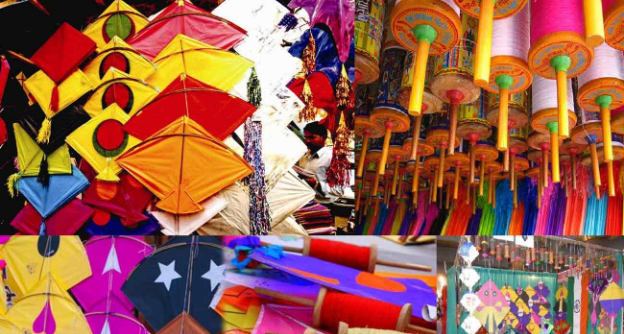
The morning in Bikaner starts quietly. No kites yet. No shouting. Just devotion.
Women rise early, before the sun has fully risen, to perform Matka pooja. It's a ritual centred around an earthen pot called a matka, which symbolises purity, prosperity, and the nurturing power of the earth. Simple object. Big meaning.
The pot is washed, soaked, and decorated with kumkum and swastik motifs. A red thread mauli is wound around its neck seven times. Then it's placed in a sacred corner of the home. Incense goes up. Prayers are directed to Goddess Annapurna, the deity associated with nourishment and sustenance.
Inside the pot, there is water, cloves, and mishri rock sugar. After the prayers, the water in the pot is believed to transform into amrit. A divine elixir. Families drink it, believing it heals and purifies. The ritual wraps up with offerings of bajre ro khichdo, a porridge made from millet and wheat, and tamarind water, both shared among the family as prasad.
It's not flashy. Nobody's filming it for social media. It's just a woman, a clay pot, some spices, and a prayer. And honestly, there's something about the quietness of it that makes the kite festival later in the day hit harder, by contrast.
A Prayer to the Fields
Outside the city, in the villages around Bikaner, Akha Teej has a different flavour. Less domestic, more agricultural. In this region, this day also signifies the start of the new farming year.
Farmers go to their fields to honour Bhumi Devi, Mother Earth. The rituals have a practical bluntness to them that feels very familiar. Lamps were lit directly on the soil. Offerings of grain, bajra, wheat, barley, and pulses are placed on the ground. Ploughs and tools decorated with vermilion. Threads tied around trees for protection. Prayers explicitly requesting rain, fertility, and peace.
After all that, the bajre ro khichdo makes its second appearance of the day. This time, it's shared, not just with family and neighbours but also with animals. Cows, camels, goats – everyone eats. It's a gesture that says something specific about how people in this region view the relationship between humans, animals, and the land, emphasising interconnectedness and mutual dependence among all living beings in their ecosystem. Not separate categories. One system. You must feed it all, or none of it will work.
Some villages turn the whole thing into a communal feast afterwards. Tables set up outdoors. Neighbours who might have disputes the rest of the year are sitting together and eating. Faith serves as an excuse or perhaps a reason to set aside differences and simply share a meal.
Turning the Blue Sky Colourful
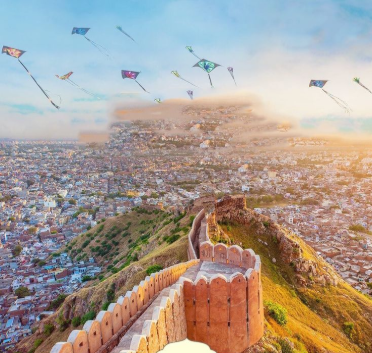
The rituals end. The sun climbs. And then Bikaner flips a switch.
Rooftops fill up. Everyone's got kites. Everyone possesses manja, the glass-coated string capable of severing an opponent's line when handled with skill. Kids are up there. Grandparents are up there. People who probably should not be leaning that far over the edge of a building are definitely up there.
The sky transforms from blue to an entirely different hue. A moving patchwork of colour – red, green, yellow, and orange – hundreds of kites are pulling and dipping and tangling and breaking free. Every time someone's line gets cut, you hear it: "Bho katta!" – the victory cry. And then half the neighbourhood's kids go sprinting through the streets, trying to catch the freed kite before it hits the ground.
The energy is difficult to describe. It's competitive but not mean. People are trying to cut each other's kites, sure, but they're also laughing at them, trashtalking across rooftops, and sending kids to deliver chai to the neighbour whose kite they just destroyed. It's war with no casualties and excellent snacks.
By evening, the kites come down and the fireworks go up. Paper lanterns float into the dark sky like slow-motion stars. The city, which was blue and brown and dusty that morning, is glowing. It is one of those moments where you think, "Indeed, such beauty is the reason why people continue to pursue it year after year." ' Not because tradition says so. It genuinely feels like a worthwhile experience to repeat.
The Spirit of Akha Teej
What makes Akha Teej work and what keeps it relevant after five centuries is the balance it strikes. The morning is sacred. The afternoon is chaos. The evening is beautiful. And none of those phases feel disconnected from the others. The kite flying isn't a distraction from the rituals. The rituals aren't an obligation you suffer through to get to the kites. They share the same idea: life is better when you're grateful, and joy is better when shared.
Bikaner gets the message. The city doesn't separate its faith from its fun. On Akha Teej, the same hands that decorated an earthen pot at dawn are pulling kite string at noon and lighting lanterns at dusk. Same hands. Same day. No contradiction.
Experience Rajasthan's Heritage Under Open Skies
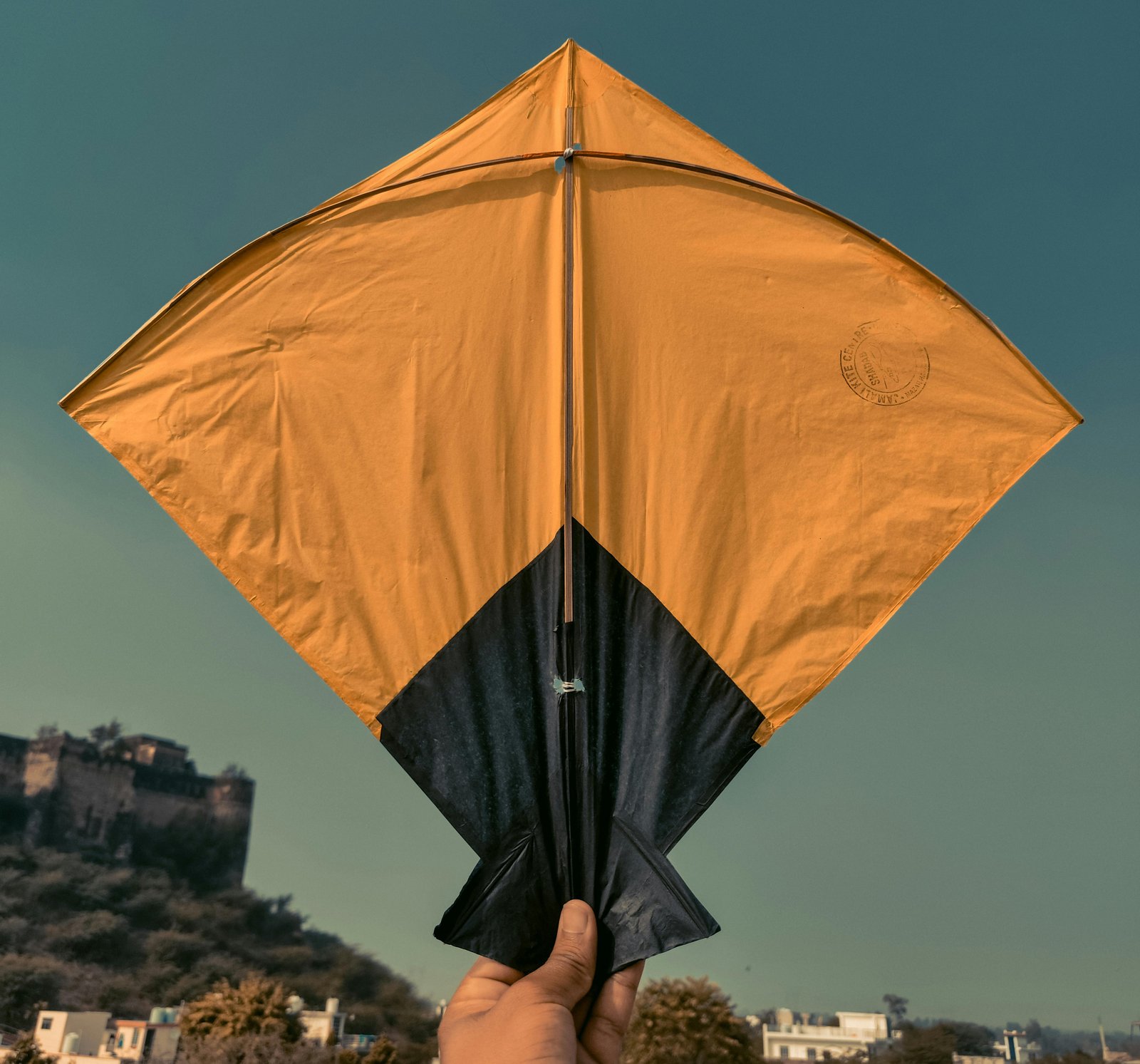
If this sounds like something you want to see not in a YouTube video, but actually standing on a Bikaner rooftop with a kite in your hand and manja cutting into your fingers, that's where we come in.
At Folk Experience, we put you in the middle of it. The morning rituals, where you sit with families performing Matka Pooja and actually understand what's happening and why. The rooftop kite battles, where someone hands you a spool and wishes you luck. The evening lantern releases, where the whole city seems to exhale at once. And the parts in between: the food, the music, and the conversations with people who've been doing these activities their entire lives and can tell you stories about Akha Teej celebrations that go back generations.
It's not a spectator experience. It's a participation experience. And in a city like Bikaner, during a festival like Akha Teej, that difference is everything.
Discover the colours, stories, and spirits of Rajasthan with the Folk Experience, where culture comes alive beneath an endless sky.