Shehr-e-Khaas — A Srinagar Old City Walk
“The old city of Srinagar is best read on foot — one bridge, one shrine, one workshop at a time.”
At a Glance
The essentials, at once.
- Duration
- 4 Hours
- Destination
- Srinagar, Jammu and Kashmir
- Best Season
- March to November. Winter walks also run, with warm layers.
- Group
- Small group · Max 8
- Physical Rating
- Easy — about 3 km at an unhurried pace through old lanes and across bridges; no steep climbs, suitable for most ages.
- Theme
- Heritage
01The story
The Journey
This is not a sightseeing loop; it is a morning inside Shehr-e-Khaas, the oldest part of Srinagar. The old city grew along the Jhelum and its bridges, the kadals, which still give its quarters their names — Zaina Kadal, Fateh Kadal, Habba Kadal. Most visitors see it through a car window on the way to the lake. We walk it, with a folklorist-guide.
On the right bank of the Jhelum stands Khanqah-e-Moula, first raised in 1395 in memory of the Sufi preacher Mir Sayyid Ali Hamadani and rebuilt after fires. Its walls and ceilings are worked in carved wood and painted papier-mâché. A short walk away, the Jamia Masjid, founded in 1394, carries its roof on 378 wooden columns of deodar — a forest standing indoors.
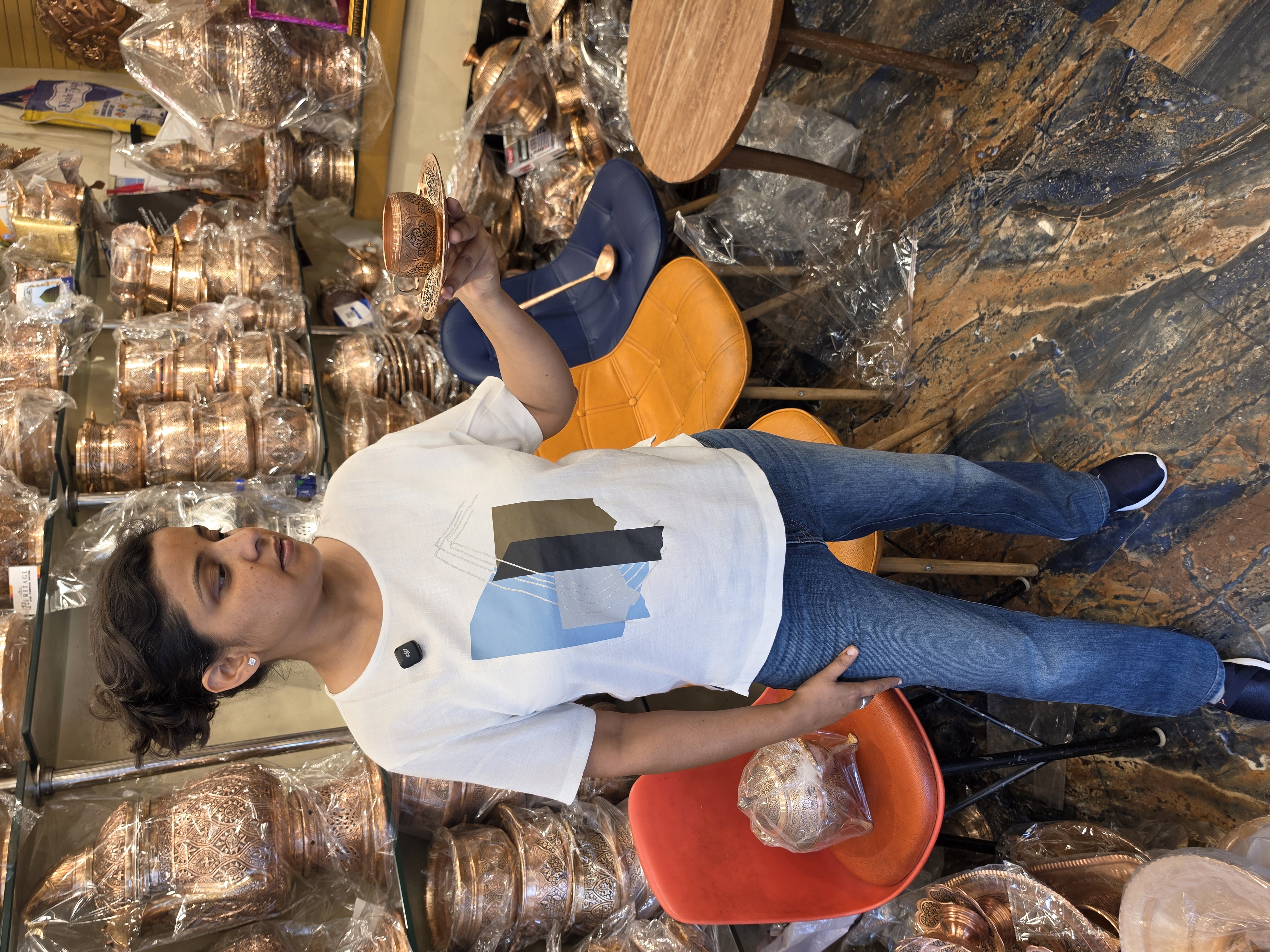
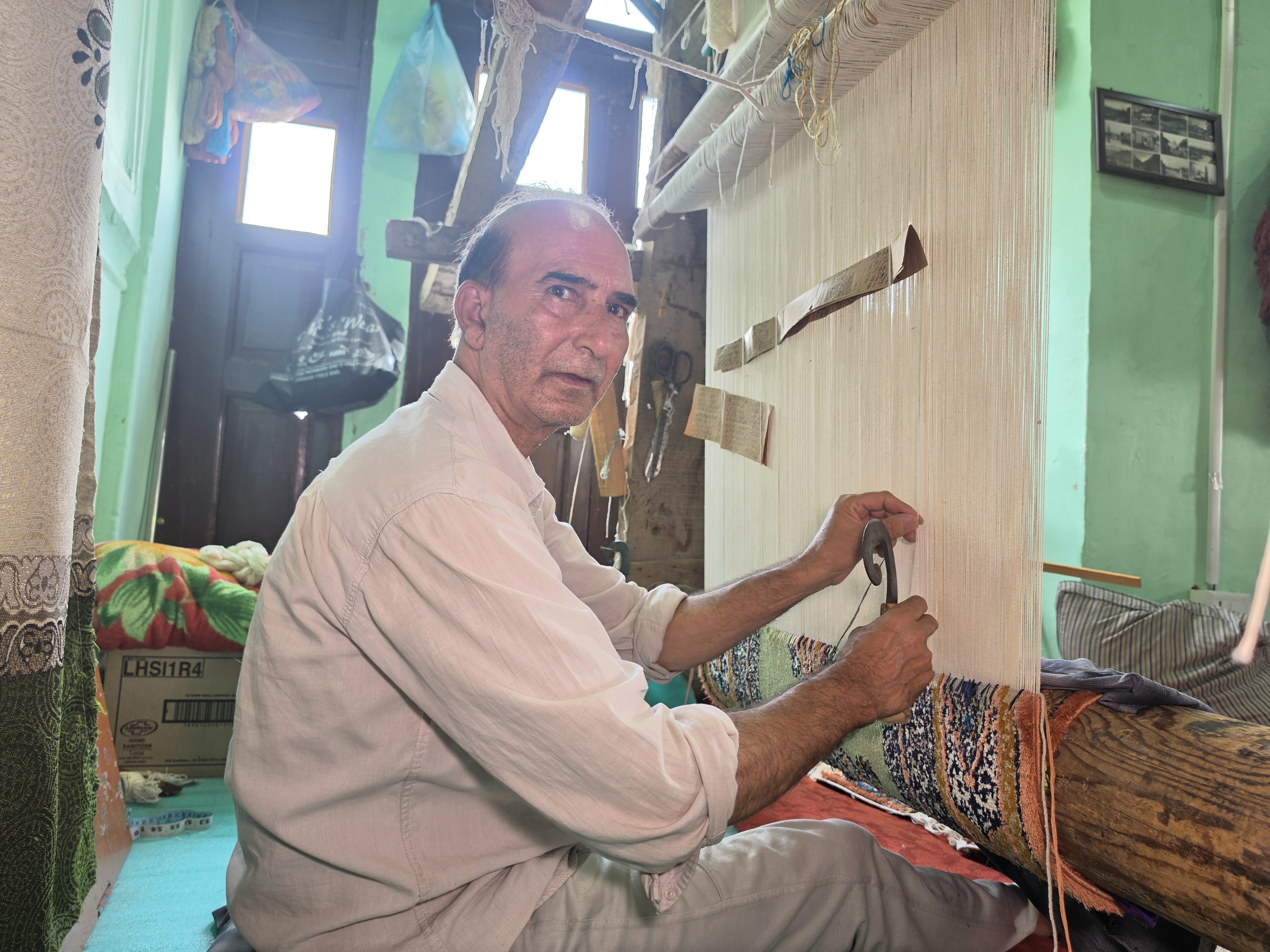
Between the shrines, the city’s crafts are still at work. In a papier-mâché studio, you watch the same painted surfaces you saw in the khanqah being made by hand. In the old bazaars, copper-smiths beat and engrave vessels for Kashmiri kitchens. At a neighbourhood kandur’s oven, you eat girda and kulcha with noon chai, the pink salt tea of Kashmir.
Your guide reads the city as you walk — its timber, its Sufi memory, its trades — until the old city stops being a view and becomes a place you have stood inside.
02The living journey
Moments you will carry home
The forest of deodar columns inside the Jamia Masjid
Papier-mâché painted by hand, in the room where it is made
Bread from a kandur’s oven and noon chai, shared with the neighbourhood
Srinagar seen from its bridges, not its boulevards
Your journey companion
Curious about Shehr-e-Khaas — A Srinagar Old City Walk?
Ask Ganga AI anything about this day — timings, season, what to wear.
03The day on film
A taste of what awaits.
04The community
Community & Responsibility
Every hour on this walk is spent with the people who keep the old city working. The artisans are paid for their time with you, and whatever you buy, you buy directly from the hands that made it. Breakfast comes from a neighbourhood oven. When you walk with us, your curiosity quietly becomes their livelihood.
05Practical notes
Good to know, before you go.
- Ideal For
- History and architecture lovers, craft collectors, photographers, solo travellers and small groups
- Ideal Time
- Morning, when the bakers’ ovens are fresh and the workshops open for the day
- Duration
- 4 Hours
- Best Season
- March to November. Winter walks also run, with warm layers.
- Physical Rating
- Easy — about 3 km at an unhurried pace through old lanes and across bridges; no steep climbs, suitable for most ages.
Included
- Guided walk through Srinagar’s old city with a folklorist-guide
- Visits to working craft studios — papier-mâché and copper
- Breakfast at a neighbourhood bakery: Kashmiri breads with noon chai
- Stories of the shrines, bridges and trades of Shehr-e-Khaas
Not included
- Personal purchases, tips and gratuities
- Hotel pick-up and drop (available as an add-on)
- Anything not expressly listed under inclusions
06Before you book
Questions travellers ask
All walking tours need to be paid in full in advance. We do not accept cash payments.
Spend a day in Srinagar.
Fill in the enquiry form and a folklorist from our team will get in touch. No payment now.