In the heart of Rajasthan’s endless desert, where the sun paints the dunes in liquid gold, there stands a temple that defies logic and redefines faith, the Karni Mata Temple in Deshnoke, near Bikaner.Here, thousands of rats roam freely, not as pests, but as protectors; not as intruders, but as incarnations of the divine. Visitors …

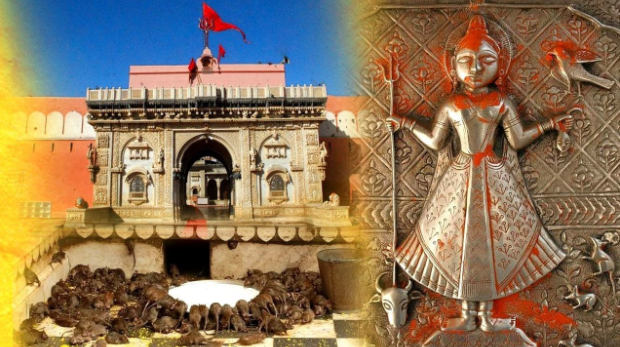
In the heart of Rajasthan’s endless desert, where the sun paints the dunes in liquid gold, there stands a temple that defies logic and redefines faith, the Karni Mata Temple in Deshnoke, near Bikaner.
Here, thousands of rats roam freely, not as pests, but as protectors; not as intruders, but as incarnations of the divine. Visitors from around the world arrive curious, cautious, and eventually spellbound by what they witness, a place where spirituality meets mystery, and folklore breathes through every grain of sand.
Known affectionately as the Rat Temple, this sacred shrine is dedicated to Karni Mata, a 15th-century mystic and miracle worker revered as an incarnation of Goddess Durga. Her story, steeped in devotion and divine power, continues to inspire awe among pilgrims and travellers alike.
“In Deshnoke, faith has fur, and divinity moves on tiny feet.”
The Divine Legend of Karni Mata
Karni Mata was born as Ridhubai in 1387 CE in the village of Suwap, near Phalodi in north-western Rajasthan, to Meha Ji Kiniya and Adha Ji Mandha of the Charan community. From her very first breath, she was no ordinary child, it is said that she spoke moments after being born, proclaiming her divine purpose.
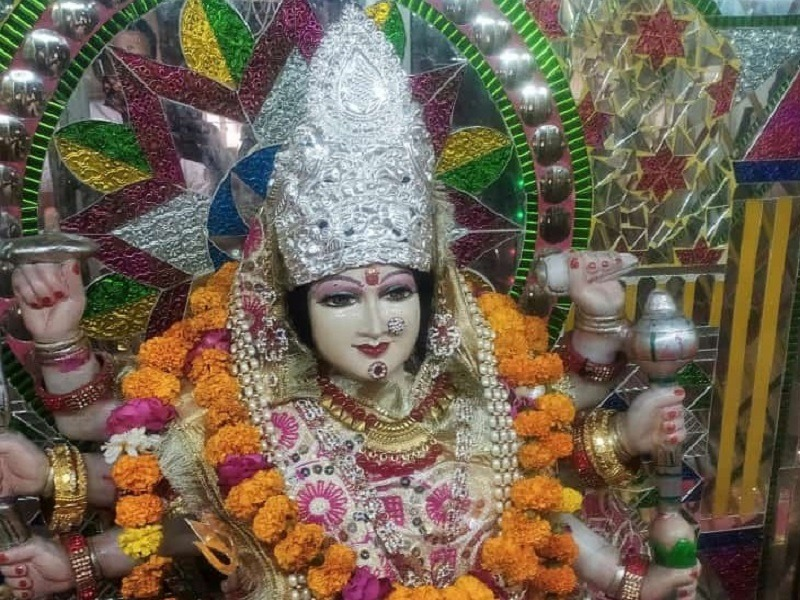
Her birth fulfilled an ancient prophecy that the goddess Durga would take human form to guide her devotees. Even as a child, her powers were extraordinary. One legend tells of how she fused her aunt’s fingers together after the woman mocked the birth of another girl, a divine reminder of her strength and purpose.
At 27, Karni Mata was married to Depoji Charan of Sathika village, but she renounced worldly life soon after. When her husband tried to consummate their marriage, he found a lion, the sacred vehicle of the goddess, seated beside her. It was then he realised she was not meant for a mortal life. Karni Mata arranged his marriage to her younger sister, Gulab, and devoted herself entirely to spiritual service and the welfare of her people.
Throughout her life, she performed miracles, curing illnesses, blessing the barren with children, and protecting her devotees from droughts and disease. Villagers believed she could command nature itself. Her compassion and strength earned her a revered place in Rajasthan’s Shakti worship tradition.
“Karni Mata was not worshipped out of fear, she was loved for her fierce compassion.”
The Legend of the Rats: Life, Death, and Rebirth
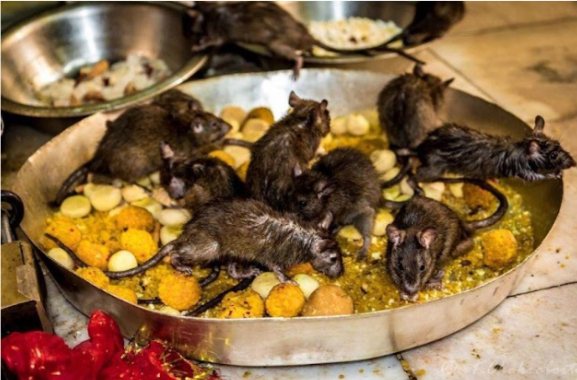
What makes the Karni Mata Temple truly unique is its thousands of sacred rats, lovingly called kabas. These creatures are believed to be the reincarnated souls of Karni Mata’s devotees.
According to legend, her stepson Laxman drowned while drinking water from a pond. Distraught, Karni Mata implored Yama, the god of death, to restore his life. Yama refused, explaining that the cycle of life and death could not be broken.
Undeterred, Karni Mata declared that henceforth, none of her followers would go to Yama’s realm, instead, they would be reborn as rats, living safely within her temple until their next human birth.
Thus began one of the most unusual traditions in the world, the worship of rats as divine beings.
Today, over 25,000 black rats inhabit the temple, cared for and revered by priests and devotees alike. Among them are a few rare white rats, considered manifestations of Karni Mata herself and her sons.
Spotting one is believed to bring immense good fortune.
Large bowls of milk, grains, and sweets are placed daily as offerings. Devotees consider it auspicious if a rat runs over their feet, and they willingly consume prasad (holy food) nibbled by the kabas, believing it to be a divine blessing.
Remarkably, despite the dense population of rats, no outbreak of disease has ever been recorded here, not even during the plague of 1994. To devotees, this is no coincidence, but proof of Karni Mata’s enduring protection.
“Where others see vermin, Deshnoke sees divinity, the same life, simply reborn.”
The Temple: Architecture and Atmosphere
Built in the early 20th century under Maharaja Ganga Singh of Bikaner, the Karni Mata Temple combines spiritual power with Rajput grandeur. Crafted from marble and silver, its architecture glows with artistry and faith.
The main doorway is made of intricately carved silver panels depicting the goddess in various forms, surrounded by celestial motifs. Inside, the sanctum sanctorum (garbhagriha) houses Karni Mata’s idol, adorned with silver and garlands, while the rats scurry freely around her feet.
Visitors often describe the atmosphere as surreal, an almost tangible mix of devotion, curiosity, and reverence. The constant rustle of tiny feet blends with the soft chants of priests, creating a soundscape unlike anywhere else on Earth.
Despite being home to thousands of kabas, the temple remains remarkably clean. Devotees and caretakers share the responsibility of maintaining hygiene, a testament to the community’s devotion and discipline.
Rituals and Sacred Offerings
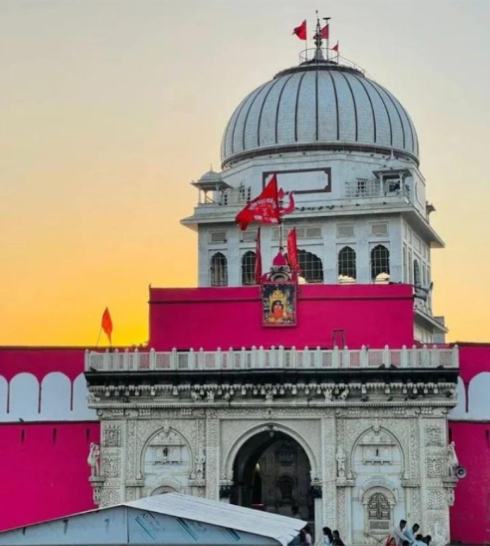
Each day at dawn, before the first rays of sunlight touch the desert sands, priests perform Mangla Aarti at 4:00 AM. As the conch shell sounds, hundreds of rats emerge from their burrows to receive the first offerings of milk and sweets.
The evening aarti is equally mesmerising, with flickering diyas illuminating the temple floor as the kabas weave through the light. Devotees bow low, offer grains, and whisper prayers for protection and prosperity.
The food offered, usually milk, jaggery, grains, and sweets, is considered blessed, especially if tasted by the rats. Sharing this prasad is an act of communion, symbolising the bond between the divine and the living.
Occasionally, devotees also offer liquor to the goddess, a ritual symbolising complete surrender of worldly inhibitions to divine energy.
“Faith here is not defined by logic, but by love, love that sees the divine even in the smallest of lives.”
Festivals: When the Goddess Comes Alive
The temple reaches its spiritual zenith during Navratri, celebrated twice a year, in March–April and October–November.
During these nine nights, Deshnoke transforms into a spectacle of devotion. The idol of Karni Mata is draped in shimmering silks and adorned with garlands and silver ornaments. Lamps line the temple pathways, and the air fills with bhajans and ghoomar rhythms sung in the Charan tradition.
Thousands of devotees undertake a Paidal Yatra (foot pilgrimage) from Bikaner to Deshnoke, walking miles through the desert to offer prayers. For many, the journey is as sacred as the destination, a test of faith and endurance.
The temple fair during Navratri is both spiritual and social, devotees gather, trade, feast, and celebrate under the vast Rajasthani sky. The sense of unity is palpable, blurring lines between caste, community, and creed.
“In Karni Mata’s court, all are equal, the king, the pilgrim, and the rat.”
Karni Mata Beyond the Temple
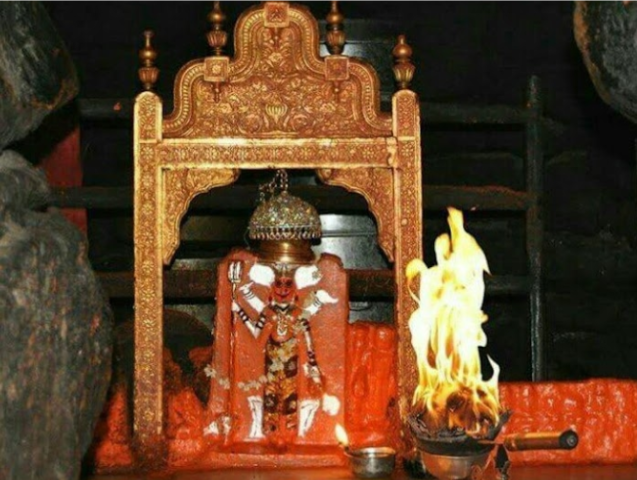
Karni Mata’s legacy extends far beyond Deshnoke. She is deeply woven into Rajasthan’s political and spiritual history.
She was regarded as a guardian deity of the Rathore and Rajput clans, blessing kings before battles and advising rulers with divine foresight.
The fort of Mehrangarh in Jodhpur and the city of Bikaner both owe part of their foundation legends to her blessings.
Even today, her blessings are sought at major ceremonies, from royal functions to village fairs, a reminder that she is not just a goddess of the temple, but of the land itself.
Karni Mata Today: Faith in Modern Times
To modern travellers, the Karni Mata Temple is both a curiosity and a revelation, a living example of how faith, ecology, and folklore coexist in Rajasthan.
It challenges perception, turning fear into reverence, and superstition into spiritual wonder. Visitors often arrive intrigued, but leave introspective, moved by the humility with which people coexist with life in its smallest form.
“Deshnoke doesn’t just ask you to believe, it asks you to see the sacred in what you overlook.”
Experience the Mystique with Folk Experience
Some stories aren’t meant to be explained, only felt. The Karni Mata Temple in Deshnoke is one such story, a living mystery, where devotion transcends form, and belief turns the smallest lives into vessels of the divine.
At Folk Experience, we don’t just take you to Deshnoke; we help you listen to it. Every chant, every shadow, every scurrying kaba tells a tale of faith that defies reason and we bring you into that sacred rhythm with the people who’ve kept it alive for generations.
What you’ll experience:
- Walk barefoot with local devotees through the temple corridors at dawn as the first aarti awakens the kabas.
- Hear oral legends of Karni Mata retold by Charan storytellers under desert skies, where folklore still lives in voice and verse.
- Witness Navratri’s night rituals, when faith, music, and silver lamps turn Deshnoke into a living flame of devotion.
- Join our cultural interpretation sessions, where we explore the ecology, symbolism, and philosophy behind this extraordinary temple.
Each journey is designed to be personal, ethical, and immersive, rooted in local wisdom, guided by community voices, and respectful of sacred spaces.
Because at Folk Experience, we don’t curate tours, we curate encounters with the timeless,
moments when Rajasthan’s myths step out of legend and walk beside you.
“In Deshnoke, faith whispers through marble halls and the smallest life becomes divine.”