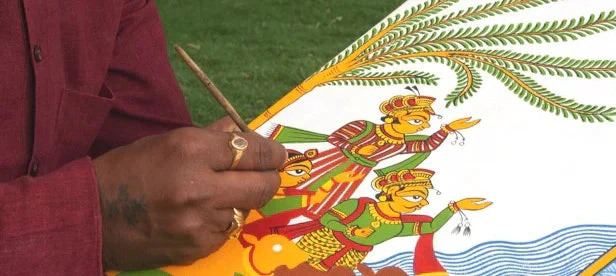
As dawn breaks over Bikaner, the desert breeze begins to hum and rooftops fill with laughter. Strings tighten, drums echo, and the first paper kites rise to meet the sun. This is Akha Teej, or Akshay Tritiya, one of Rajasthan’s most cherished celebrations, a day that brings together faith, harvest, and the joy of flying …

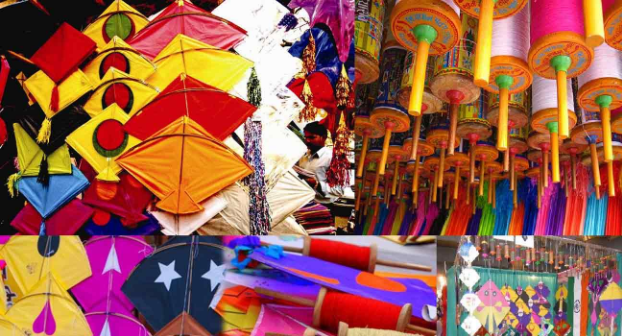
As dawn breaks over Bikaner, the desert breeze begins to hum and rooftops fill with laughter. Strings tighten, drums echo, and the first paper kites rise to meet the sun. This is Akha Teej, or Akshay Tritiya, one of Rajasthan’s most cherished celebrations, a day that brings together faith, harvest, and the joy of flying colours.
The festival carries deep roots in the city’s history, dating back to the foundation of Bikaner by King Bika in 1488, and continues to unite people of every faith in gratitude and festivity. For generations, Akha Teej has embodied the spirit of Rajasthan, where devotion meets community, and tradition soars high above the desert skyline.
When and Why Akha Teej is Celebrated
Falling on the third day of the bright fortnight (Shukla Paksha Tritiya) in the month of Vaishakha, Akha Teej symbolises prosperity that never fades. The word Akshay means “imperishable,” and Tritiya refers to the third lunar day, together signifying eternal good fortune.
According to legend, this is the day when Lord Ganesha began writing the Mahabharata, Lord Parashurama was born, and the sacred Ganga River descended to Earth. It is also considered the most auspicious day for starting new ventures, performing weddings, or purchasing gold, acts believed to bring lifelong blessings.
For Jains, Akha Teej holds equal sanctity, it commemorates Lord Rishabhdev’s first meal after a year-long fast, when he drank sugarcane juice offered by a devotee. Among Sikhs, the day marks Guru Arjan Dev Ji laying the foundation of the Golden Temple in Amritsar, a symbol of unity and peace.
Across faiths, Akha Teej reflects one timeless message: new beginnings rooted in gratitude and grace.
“Akha Teej is not merely a date on the calendar, it is the moment when time itself turns auspicious.”
Rituals of the Day: The Sacred Earthen Pot
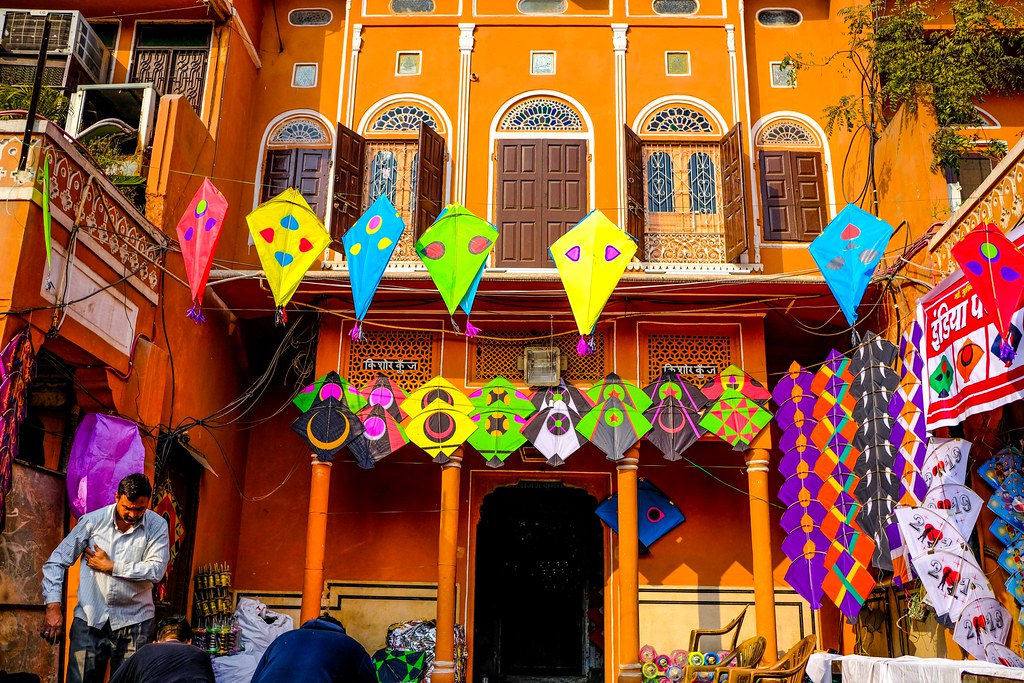
In Bikaner, the morning of Akha Teej begins quietly with devotion.
As the first rays of sunlight touch the sandstone homes, women rise early to perform the Matka Pooja, the worship of an earthen pot symbolising purity, prosperity, and the nurturing power of the earth.
A new earthen pot (matka) is washed, soaked, and decorated with kumkum and swastik motifs. A red thread (mauli) is tied seven times around its neck before being placed in a sacred corner of the home. Incense fills the air as prayers are offered to Goddess Annapurna, the bringer of nourishment.
Water, cloves, and mishri (rock sugar) are added to the pot, it is believed that after prayers, this water becomes amrit, a divine elixir that heals and purifies. The ritual ends with offerings of bajre ro khichdo (porridge made of millet and wheat) and tamarind water, which are shared among family members as prasad.
A Prayer to the Fields
In the villages surrounding Bikaner, Akha Teej also marks the beginning of the new agricultural year. Farmers gather in their fields to honour Bhumi Devi (Mother Earth) and seek blessings for a fruitful harvest.
The rituals begin with lamps lit on the soil, offerings of grains, bajra, wheat, barley, and pulses and the decoration of ploughs and tools with vermilion. Threads are tied around trees to symbolise protection, and prayers are recited for rain, fertility, and peace.
After the rituals, the bajre ro khichdo (a combination of pearl millet is shared with family, neighbours, and livestock, cows, camels, goats, all receiving their portion as a gesture of harmony between humans, nature, and animals. In some villages, this sacred act concludes with a communal feast, turning faith into festivity.
“Akha Teej is a farmer’s festival at heart, a thanksgiving to the land that gives, the sky that shelters, and the rain that sustains.”
Turning the Blue Sky Colourful
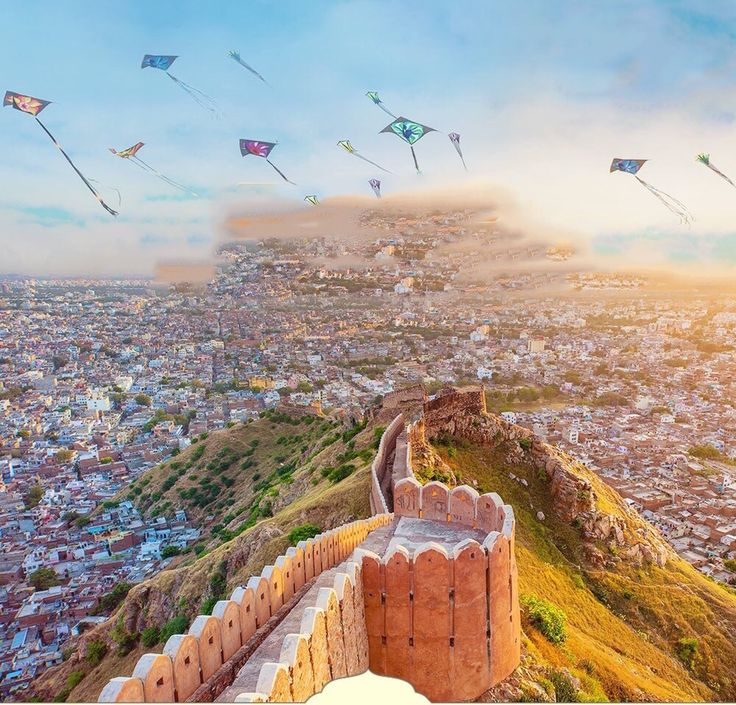
As the rituals end and the desert sun climbs higher, the mood of the city shifts from reverence to joy.
Bikaner’s rooftops turn into playgrounds, and soon, the blue sky transforms into a living canvas painted with hundreds of vibrant kites.
Children and adults alike call out “Bho katta!”, the cry of triumph when a rival’s kite is cut loose. The air hums with laughter, music, and the rustle of paper wings fluttering against the desert wind. By evening, the city glows with the sparkle of fireworks and floating paper lanterns that light up the night, symbolising wishes sent to the heavens.
The Spirit of Akha Teej
Akha Teej is not merely a festival; it is a living expression of Rajasthan’s philosophy, a celebration of gratitude, renewal, and balance between faith and festivity. From the quiet prayers of dawn to the joyful cries beneath a sky full of colour, it reminds every participant that prosperity begins with devotion, and happiness multiplies when shared.
In Bikaner, Akha Teej paints more than just the sky, it colours the soul of a city bound by culture, community, and hope.
“On Akha Teej, the people of Rajasthan don’t just fly kites, they let their faith take flight.”
Experience Rajasthan’s Heritage Under Open Skies
Akha Teej is a celebration where spirituality meets the art of living. Join us in Bikaner as the desert breeze carries laughter, music, and the thrill of kites soaring high above the city. From sacred rituals to rooftop revelries, witness a tradition that has endured for centuries.
Discover the colours, the stories, and the spirit of Rajasthan with Folk Experience, where culture comes alive beneath the endless sky.